Trundean Roots Air BlowerSupplier in Bangladesh
Trundean TH, THS and THW series Roots (rotary lobe) air blowers from Taiwan for ETP, WTP and STP aeration, fisheries and pneumatic conveying, supplied with installation and after-sales support by Techno Bangla Creation.

What Is a Roots Air Blower?
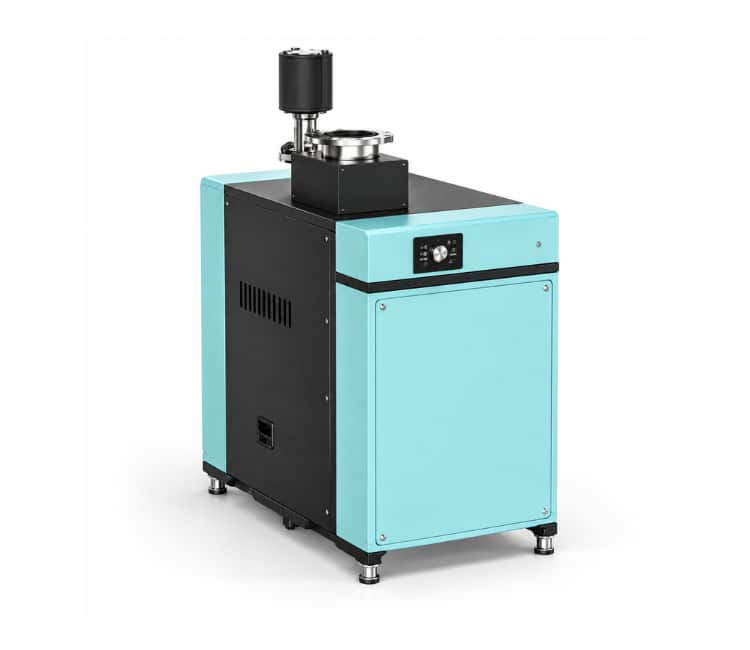
A Roots air blower is a positive-displacement blower. Two interlocking lobed rotors trap air at the inlet and carry it to the outlet, so the air is delivered at a steady rate. In ETP, WTP and STP plants it supplies aeration air to diffusers in the biological tank, so bacteria get the oxygen they need.
A Roots blower is not a turbo blower. It moves fixed pockets of air and does not compress them inside the casing, while a turbo blower compresses air dynamically with a high-speed impeller. For the high-speed type, see our turbo blower page.
- Trundean TH, THS and THW series in one range
- Capacity of 1 to 70 m³/min and power up to 300 HP
- Suited to ETP, WTP, STP, municipal, fisheries and pneumatic conveying
- Installation and after-sales support in Bangladesh
Roots Air Blower Specifications
- Type
- Positive-displacement rotary lobe (Roots) air blower
- Series
- TH, THS, THW
- Capacity
- 1 ~ 70 m³/min (about 60 ~ 4200 m³/hr)
- Pressure
- 1000 ~ 10000 mmAq (about 9.8 ~ 98 kPa)
- Power
- 1 ~ 300 HP (about 0.75 ~ 224 kW)
- Application
- ETP, WTP, STP, Municipal, Fisheries, Pneumatic Conveying, Pressure Increase
- Brand
- Trundean
- Origin
- Taiwan
Exact capacity, pressure, motor, drive type and silencer depend on the series and model you select. Send us your duty point and our engineers will confirm the right size.
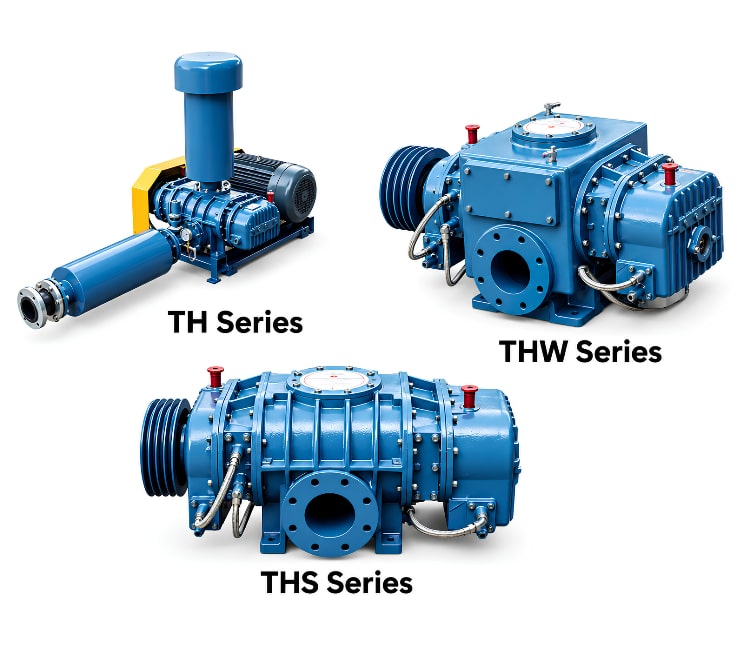
Trundean TH, THS and THW Series
Three Roots blower series in one range. Tell us your duty point and we will match the series and frame size.

TH Series
Trundean Roots air blower for aeration and conveying duty. Confirm frame sizes and ratings on the datasheet.

THS Series
Trundean THS type Roots air blower. Ask our engineers how it differs from the TH series for your duty.

THW Series
Trundean THW type Roots air blower. Confirm model details and ratings on the datasheet before ordering.
How Does a Roots Blower Work?
- Motor Turns the RotorsA motor drives two lobed rotors that spin in opposite directions on parallel shafts.
- Timing Gears Keep Them ApartA pair of timing gears holds the lobes in step so they never touch.
- Lobes Trap and Carry AirEach lobe traps a pocket of air at the inlet and carries it around the casing to the outlet.
- System Sets the PressureThe blower moves air. The back-pressure of the pipe and tank sets the discharge pressure, so a relief valve protects the unit.
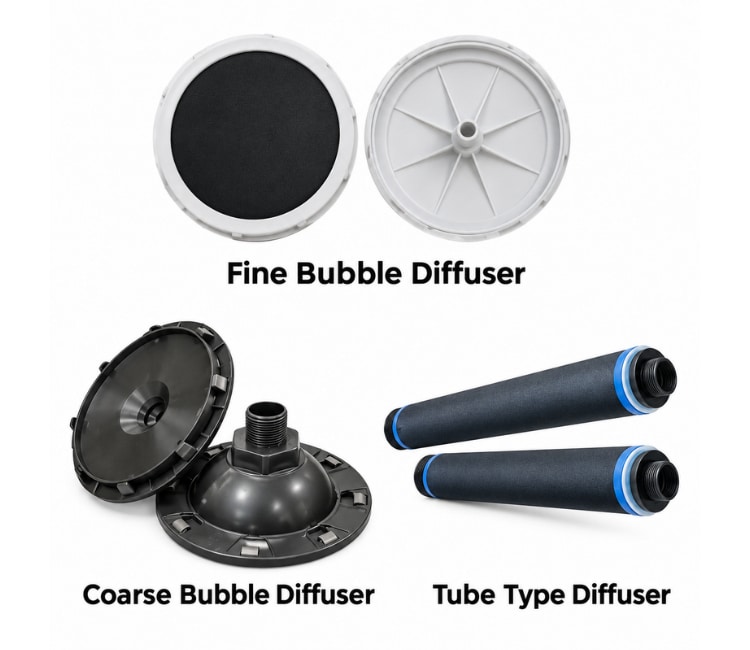
- Air Reaches the DiffusersA silencer smooths the pulses, and piping carries the air to air diffusers in the tank.
Key Benefits
Roots blowers are a proven, simple way to supply aeration air, especially for small and medium plants.
- Steady airflow that stays nearly constant when system pressure varies a little
- Simple design that is easy for plant operators to inspect and service
- Lower initial cost than turbo or screw blowers, as reported by manufacturers
- Wide range of 1 to 70 m³/min and up to 300 HP across three series
- Speed control can lower output to about 30% of full flow when demand falls
- Local engineering and after-sales support from Techno Bangla
Is a Roots Blower Right for Your Plant?
Choose a Roots Blower When
- The plant is small or medium and the budget is tight
- Pressure or airflow changes through the day
- You run fisheries, biofloc or pneumatic conveying
- You want a simple unit your team can service
Choose a Turbo or Screw Blower When
- Aeration runs continuously for many hours a day
- The plant is large and power cost is the main concern
- You need low noise without a large enclosure
- You can accept a higher initial cost for lower running cost
Where Are Roots Air Blowers Used?
Any process that needs steady low-pressure air, from effluent tanks to fish ponds.
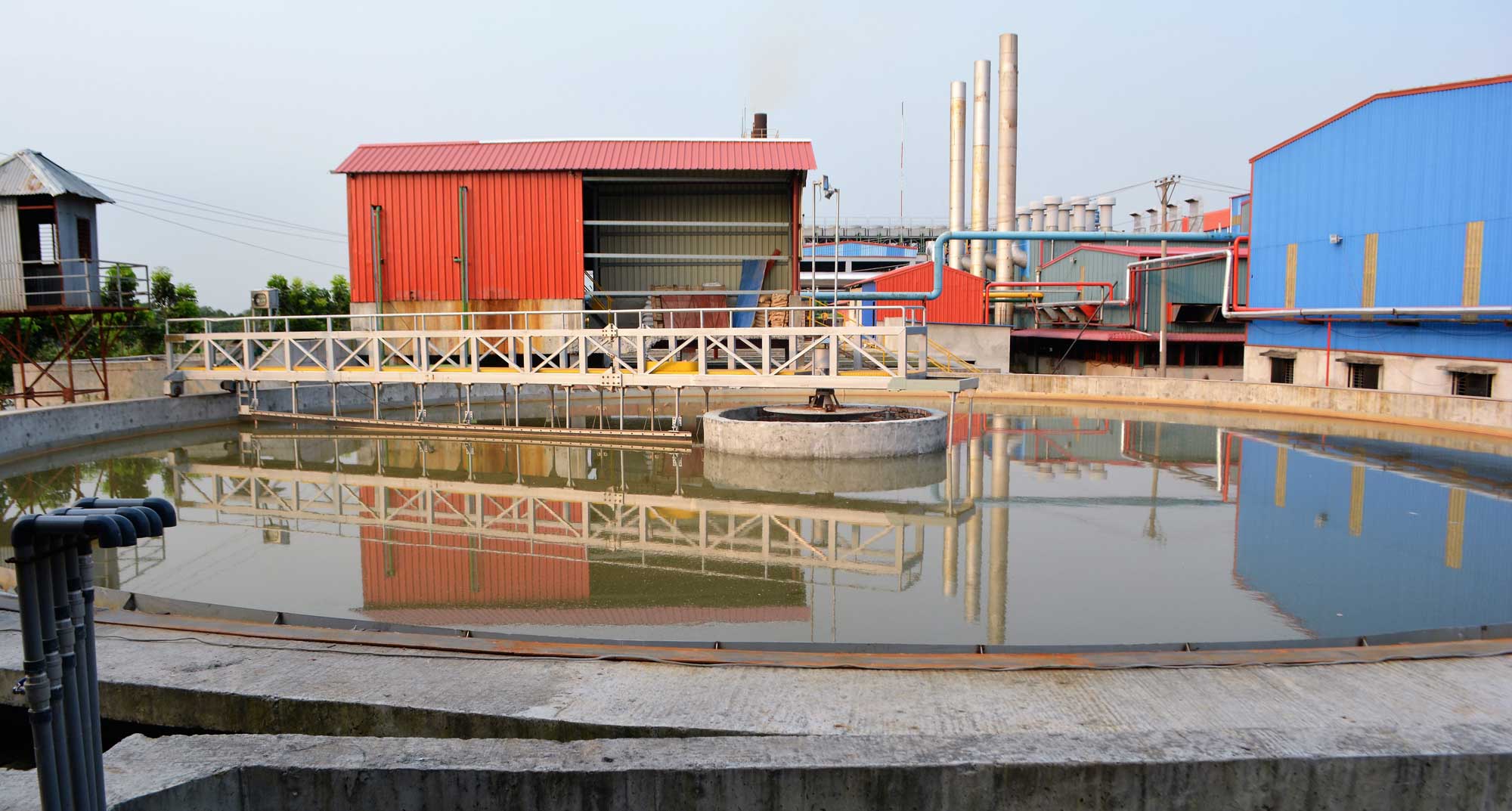
- ETP Aeration
- Textile and Dyeing ETP
- STP Aeration
- WTP
- Municipal Treatment
- Fisheries and Aquaculture
- Biofloc Tanks
- Pneumatic Conveying
- Pressure Increase
How to Choose the Right Roots Blower
Share these details with our engineers and we will recommend a suitable series and size.
- Airflow from oxygen demand. Give your BOD or COD load, tank volume and target dissolved oxygen. This sets the airflow in m³/min.
- Pressure from tank depth. Every 1 m of water above the diffusers needs about 1000 mmAq (9.8 kPa), plus losses in the diffusers and pipes. Size the blower and diffusers together.
- Relief valve and silencer. Roots blowers need a relief valve on the discharge and should not be throttled. A silencer controls the noise from air pulsation.
- Hot, humid climate. Warm air is thinner, and one aeration guide reports blower output falling about 10 to 15% in a very hot blower room. Give the unit fresh, cool intake air and a clean filter.
- Standby and speed control. Plan a duty and standby unit, and ask about a variable speed drive. Use a thermal gas flow meter to track air use.
Frequently Asked Questions
Who supplies Trundean Roots air blowers in Bangladesh?
Techno Bangla Creation Ltd. supplies Trundean TH, THS and THW series Roots air blowers from Taiwan, from its Dhaka office in Mohakhali. We handle selection, supply, installation and after-sales support, so the blower, diffusers and piping work as one system. Call +880 1716 825385 or email marketing@technocreationbd.com.
Is a Roots blower a blower or a compressor?
Technically it is a positive-displacement machine, and some makers classify it as a compressor. In practice it works as a low-pressure blower. It moves fixed pockets of air without compressing them inside the casing, and pressure builds from the resistance of your pipes and tank.
How much pressure can a Roots blower produce?
A single-stage Roots blower generally works up to about 1 bar (100 kPa). The Trundean range on this page covers 1000 to 10000 mmAq, roughly 9.8 to 98 kPa. The actual pressure depends on tank depth and pipe losses, which is why a relief valve is fitted.
What is the difference between a 2-lobe and a 3-lobe Roots blower?
A two-lobe rotor is the classic design and pulses more strongly. Three-lobe and twisted (helical) rotors deliver air more smoothly, which reduces pulsation and vibration. Ask which rotor type your chosen model uses.
Is a Roots blower oil-free?
The air path is oil-free, because no lubricant enters the compression chamber. The timing gears and bearings still run in their own sealed housings and need correct oil levels, so check the manual for your model.
Roots blower or side channel blower: which should I choose?
Side channel (ring) blowers are compact, contact-free units generally used for smaller flows. Roots blowers handle larger flows, which is why they are common in ETP, STP and aquaculture aeration. Send your airflow and pressure and we’ll tell you which suits.
Can a Roots blower run 24 hours a day?
Many aeration blower packages are rated for continuous duty. It works if the unit is sized correctly, gets cool intake air and a clean filter, and has routine checks. Confirm the continuous rating on the datasheet of your model. For very long running hours, compare running cost against turbo or screw options.
Why is my Roots blower losing airflow?
Check these in order: a clogged inlet filter, a loose or slipping belt, leaks in the air pipe, fouled diffusers raising back-pressure, and hot intake air. A very hot blower room can cut output by 10 to 15%. If none apply, worn lobe tips increase internal slip and the rotors need inspection.
How much does a Roots air blower cost in Bangladesh?
There is no single price. It depends on capacity, HP, pressure, series, drive and the accessories included. Send your airflow, pressure and power supply and we’ll quote the complete package, so you can compare like with like.