Tube Settler Media Supplier in Bangladesh
BESTN polypropylene tube settler media from China for ETP and STP clarifiers, supplied with technical support and after-sales service by Techno Bangla Creation.

What Is Tube Settler Media?
Tube settler media is a pack of small inclined tubes fitted inside a clarifier or settling tank. The tubes shorten the distance each particle must fall before it lands on a surface, so solids settle faster in the same tank space. In ETP and STP plants it clarifies water after coagulant and polymer dosing.
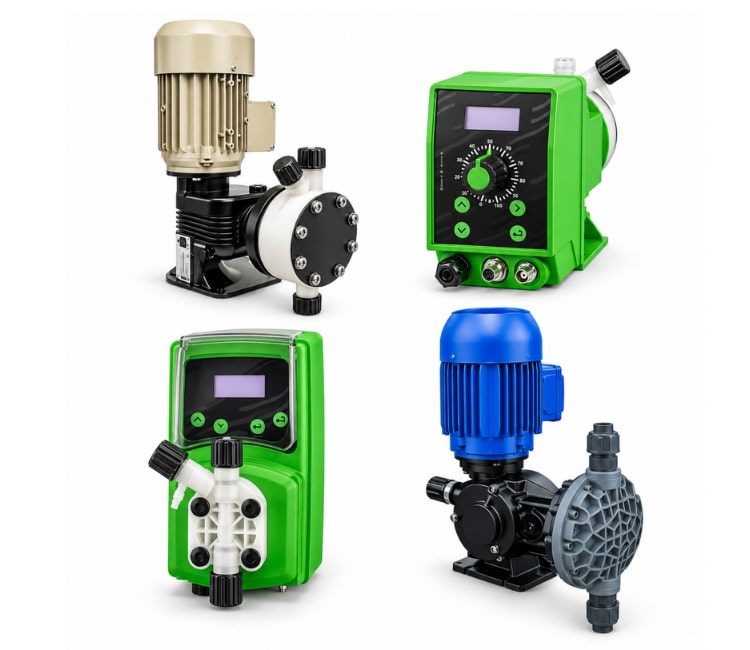
Tube settler media is not filter media and not MBBR media. It separates settleable solids by gravity and does not remove dissolved pollutants. For biological treatment see our MBBR media, and for chemical feed ahead of the clarifier see our chemical dosing pumps.
- Polypropylene (PP) tube modules, 1 m × 1 m
- Hole diameter of 65 mm and 80 mm
- Suits new clarifiers and upgrades of existing tanks
- Supplied with technical support in Bangladesh
Tube Settler Media Specifications
- Product
- Tube settler media (inclined tube settler pack)
- Material
- PP (polypropylene)
- Module size
- 1 m × 1 m
- Thickness
- 0.75 ~ 1 mm
- Hole diameter
- 65 mm and 80 mm (about 2.6 in and 3.1 in)
- Application
- ETP, STP
- Brand
- BESTN
- Origin
- China
Tube shape, tube angle, module depth and settling area per cubic metre depend on the model. Send us your tank size and flow and our engineers will confirm the exact module against its datasheet.
How Does Tube Settler Media Work?
- Flocculated Water EntersCoagulant and polymer from dosing pumps turn fine solids into floc.
- Water Rises Through TubesFlow moves slowly upward through inclined tubes set at about 55 to 60°.
- Short Fall DistanceA particle only needs to drop a few centimetres to reach a tube wall.
- Sludge Slides DownSettled solids slide down the tube floor against the rising flow into the hopper.
- Clear Water OverflowsClarified water collects at the top launder and moves to the next stage.
Key Benefits
A clarifier is only as good as its settling area. Tube media adds area without a bigger tank.
- More settling area in the same tank, with reports of about 2 to 4 times higher operating rate
- Smaller clarifier footprint for new plants
- Simple upgrade of an existing clarifier with light modules and basic supports
- PP material, which generally resists a wide range of chemicals and tolerates more heat than PVC
- Short tube retention time, with design references citing under about 10 minutes
- Local engineering and after-sales support from Techno Bangla
Is Tube Settler Media Right for Your Plant?
Choose Tube Settler Media When
- You settle chemical floc after coagulation and flocculation
- You need more clarifier capacity without a new tank
- Floor space is limited
- Flow is fairly steady and inlet flow can be spread evenly
- The tank can be drained and washed from time to time
Think Twice When
- Solids come from biological sludge with heavy shock loads. Some design guides warn of unstable results and biofilm clogging here
- Wastewater carries fibres, grease or very sticky solids
- No coagulation or flocculation happens upstream
- Water temperature may exceed the media rating
- Tanks cannot be drained or accessed for cleaning
Where Is Tube Settler Media Used?
Most useful after coagulation and flocculation, where solids form settleable floc.
- ETP Clarifiers
- STP Clarifiers
- Textile and Dyeing Effluent
- Chemical Precipitation Tanks
- Pharmaceutical Effluent
- Food Processing Effluent
- Primary Clarification
- Clarifier Upgrades
How to Choose Tube Settler Media
Share these details with our engineers and we will recommend a suitable module layout.
- Tank area and depth. Media covers the clarifier plan area. Design guides often show tubes about 1.0 to 1.2 m long at 60°, with roughly 0.5 to 1.0 m of water above and a buffer zone below.
- Flow and surface loading. Allowable loading depends on water quality. One design reference keeps it under about 7.5 m³/h per m² of plan area for water treatment. Industrial effluent needs a plant-specific check.
- 65 mm or 80 mm holes. Smaller tubes give more settling area per cubic metre but clog sooner. Larger tubes are easier to keep clean but give less area.
- Upstream mixing and inlet flow. Poor floc or uneven inlet flow causes carry-over. Good rapid mixing with a mixing agitator and steady dosing help.
- Heat, sun and cleaning. Warm, sunlit tanks favour algae growth, so cover the tank where possible and plan regular washing. Confirm the temperature and chemical rating on the datasheet.
Frequently Asked Questions
Who makes BESTN tube settler media, and what are its specifications?
BESTN tube settler media is a polypropylene (PP) product made in China. The modules on this page are 1 m × 1 m, 0.75 to 1 mm thick, with 65 mm and 80 mm hole sizes. Tube angle, module depth and settling area per cubic metre depend on the model, so we confirm them from the datasheet when we quote.
How much tube settler media do I need for my clarifier?
Start from flow and surface loading. Divide your flow in m³/h by the allowable surface loading in m³/h per m² to get the plan area to cover. Example only: 1,000 m³/day is about 41.7 m³/h. At an assumed 3 m³/h per m², that needs about 14 m² of plan area, or about 14 modules of 1 m × 1 m. Your real loading comes from your wastewater and a jar test, so send us your data.
What is the difference between a tube settler and a lamella clarifier?
Both use inclined surfaces to shorten the settling path. Tube settlers use many small tubes, usually plastic, while lamella clarifiers use parallel plates, often steel. Tube packs are light and easy to retrofit. Plate units suit variable solids loads but can be harder to clean when plates sit close together.
PP or PVC tube settler media: which is better?
Both are widely used. PP generally offers broader chemical resistance and higher heat tolerance, which suits aggressive industrial effluent. PVC is common and weathers well, with suppliers often quoting about 55°C as the continuous limit. Check the temperature and chemical rating on the datasheet against your wastewater.
Should I choose 65 mm or 80 mm holes?
Smaller tubes give more settling area per cubic metre but clog sooner. Larger tubes are easier to keep clean but give less area. Design references list typical tube sizes of about 50 to 80 mm. Our BESTN media comes with 65 mm and 80 mm holes, and our engineers help you choose from your solids load.
Can I add tube settler media to an existing ETP clarifier?
Often yes. Tube packs are light and sit on simple supports, so many plants fit them into existing tanks to raise capacity or improve clarity, including chemical clarifiers in textile and dyeing plants. The gain depends on current loading, tube coverage, flocculation quality and inlet flow, so we check the tank before recommending a layout.
Does tube settler media need cleaning?
Yes, plan for it. Sludge or algae can build up inside the tubes over time, mostly in warm, sunlit tanks. Typical practice is regular inspection and washing, and draining the tank for a thorough flush when needed. Covering the clarifier and keeping flocculation steady helps reduce growth and clogging.
How can I get a quotation for tube settler media in Bangladesh?
Send your flow rate, tank size, wastewater type and preferred hole diameter to our engineers by phone or email. We reply with a free quotation for tube settler media and other ETP, WTP and STP equipment, and we advise whether an upgrade or a new clarifier layout fits your site.