EMEC Dosing PumpSupplier in Bangladesh
Italian EMEC solenoid and PRIUS motor-driven metering pumps for exact acid, caustic, coagulant, polymer and hypochlorite dosing in ETP, WTP, boiler and cooling tower plants. Matched to your chemical, dose rate and back pressure, and supported locally by Techno Bangla Creation.

What Is an EMEC Dosing Pump?
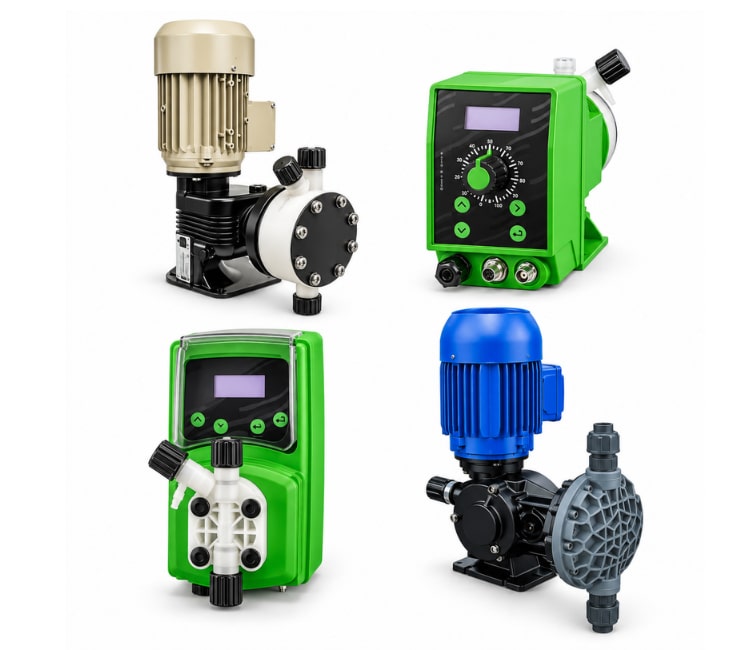
A dosing pump decides whether your ETP outlet passes or fails. Too little coagulant and colour slips through. Too much and you pay for chemical you pour away. That is the job EMEC builds for. EMEC is an Italian maker based in Rieti, with over 35 years of work on electronic metering and dosing equipment. Its catalogue splits cleanly into two families: solenoid-driven pumps for small flows and electronic control, and motor-driven PRIUS pumps for larger flows and higher pressure. Multifunction (MF) versions add programmable dosing modes.
EMEC is an Italian company based in Rieti that makes electronic metering and dosing equipment. For the full pump family and material guide, see our chemical dosing pump page, or compare with the SEKO dosing pump.
- Solenoid pumps for small flows and electronic control
- Motor-driven diaphragm pumps for larger flows and higher pressure
- Wetted parts in PVC, PP, PVDF, PTFE, SS-304 and SS-316
- Installation and after-sales support in Bangladesh
EMEC Dosing Pump Specifications
- Solenoid Driven Metering Pump
- 1 ~ 16 L/h (about 0.27 L/min), 1 ~ 20 bar (about 0.1 ~ 2 MPa)
- Motor Driven Diaphragm Metering Pump
- 1 ~ 1000 L/h (about 1 m³/h), 1 ~ 100 bar (about 0.1 ~ 10 MPa)
- Wetted Part Material
- PVC, PP, PVDF, PTFE, SS-304, SS-316
- Liquids
- Normal chemicals, corrosive liquids and hot liquids
- Application
- Waste water, boiler water, cooling tower, high-viscosity liquids
- Industries
- Chemical, textile, pharmaceutical, food and beverage
- Brand
- EMEC
- Origin
- Italy
Flow, pressure, head material and control options depend on the model. Send us the chemical, dose rate and back pressure and our engineers will confirm the right pump.
EMEC Dosing Pump Series at a Glance
EMEC builds its catalogue around solenoid and motor-driven pumps. Here is how the main series differ.
| Series | Drive and Mounting | Catalogue Features |
|---|---|---|
| K series | Solenoid, horizontal | General-purpose pump, IP65, PVDF head as standard, stainless steel, PP or PMMA heads optional. Multifunction (MF), viscous (LPV) and self-draining versions exist |
| T series | Solenoid, wall mounted | Up to 100 L/h, IP65, PVDF head. Versions for viscous liquids, very viscous liquids and compressed air drive |
| V series | Solenoid, vertical | Easy installation, with self-venting versions to purge air from the pump head |
| PRIUS series | Motor-driven diaphragm | PTFE diaphragm, spring return, manual stroke adjustment from 0 to 100%, waterproof motor, high-pressure version and ATEX versions. PRIUS MF adds ten working modes |
Series details come from EMEC catalogue information. The models we supply and their exact flow, pressure and options are confirmed in our quotation, so please ask for the datasheet.
How Is Dosing Controlled?
The right control method keeps the dose steady when plant flow or pH changes.
- Manual: set stroke length or stroke rate for a steady, constant dose
- Pulse input: the pump follows a flow meter signal, so the dose follows the water flow
- Analog signal (mA or volt): a controller or online analyzer sets the dose, for example for pH control
- Timed and batch modes: dose by pause-work cycles, weekly programs or set batches on multifunction versions
- Level alarm: a level sensor warns before the chemical tank runs empty
- PRIUS MF offers ten working modes, including constant, ppm, percentage, pulse, mA, volt and batch
Control options vary by model. Tell us your control method and we will confirm it on the datasheet.
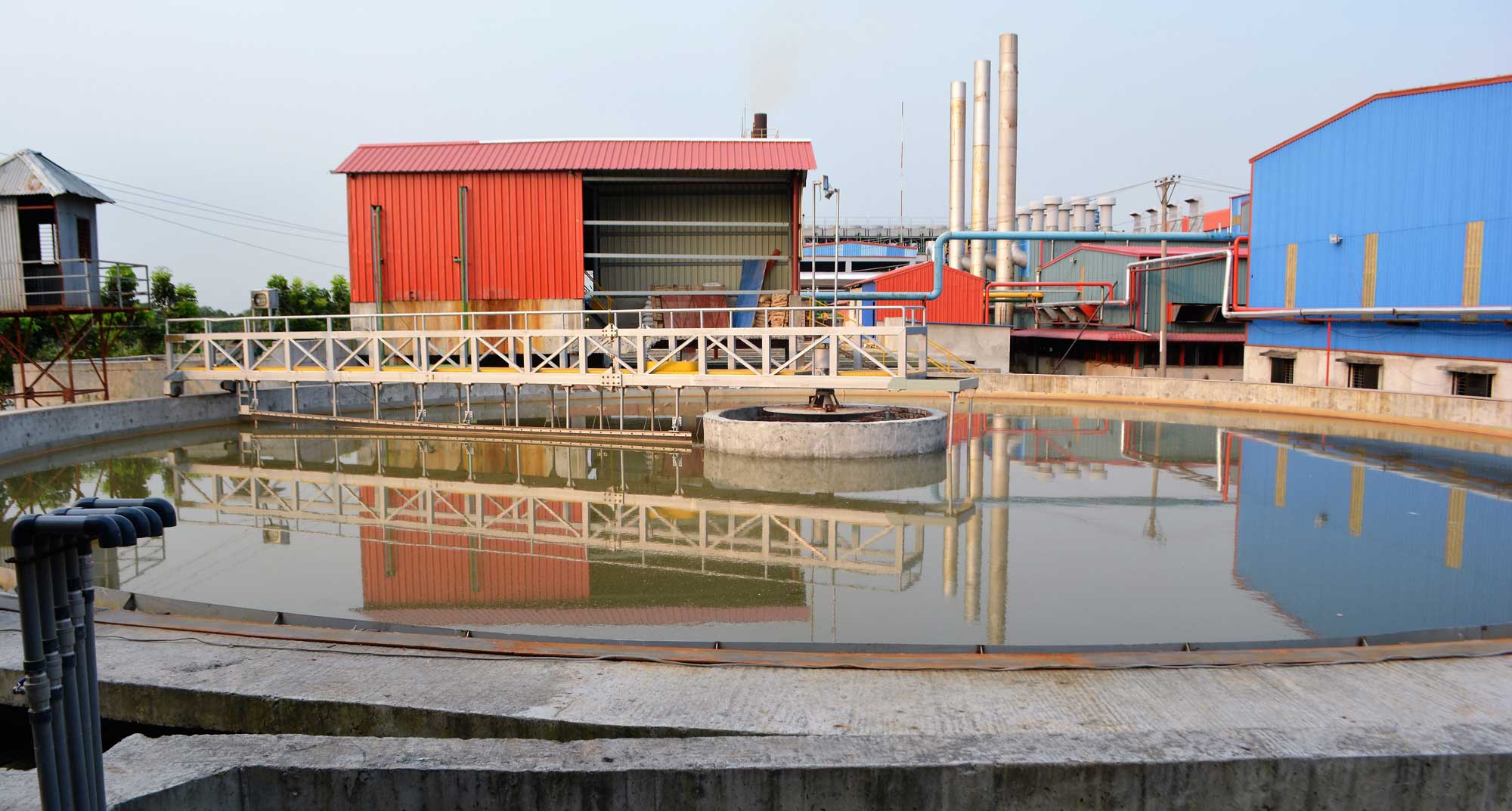
Where Dosing Pumps Work in a Typical ETP
Textile ETP discharge to inland surface water must meet ECR 2023 limits, including pH 6 to 9. DoE lab reports show raw textile effluent near pH 10 and treated outlet near pH 8.
- pH AdjustmentAcid or caustic is dosed to bring raw effluent into the working range, often by an analyzer signal.
- Coagulant DosingPAC or alum is dosed to destabilise colour and suspended solids. See the ETP plant.
- Polymer DosingDiluted polymer is added so flocs grow and settle, often with a mixing agitator.
- Biological Stage SupportNutrients or pH chemicals keep bacteria in a stable range in the aeration tank.
- Final pH and DisinfectionA last correction and optional hypochlorite dose help the outlet meet discharge limits.
Which Industries Use EMEC Dosing Pumps?
Chemical processing, water treatment and pharmaceutical plants are the main users of metering pumps in Bangladesh.
| Industry | What Is Dosed | Why It Matters |
|---|---|---|
| Textile and dyeing | Acid, caustic soda, PAC or alum, polymer | Keeps ETP discharge within pH and pollution limits |
| Water treatment (WTP) | Sodium hypochlorite, coagulant, pH chemicals | Steady small doses for disinfection and clarification in a water treatment plant |
| Boiler and cooling tower | Scale and corrosion inhibitors, biocides | Inhibitors are usually dosed in proportion to make-up water. See our cooling tower |
| Pharmaceutical | pH adjusters, disinfectants | Tight pH and dose control |
| Food and beverage | Cleaning and sanitising chemicals | PVDF and SS-316 wetted parts suit hygiene-critical duty |
| Chemical industry | Process additives, neutralising agents | Accurate feed reduces wasted chemical |
When an EMEC Diaphragm Pump Fits, and When to Check First
Diaphragm metering pumps are not the answer for every chemical. We tell you before you buy.
Good Fit
- Acids and caustic soda in clear solution
- PAC or alum solution
- Sodium hypochlorite with a suitable PVDF head
- Scale and corrosion inhibitors, biocides
- Diluted polymer solution
Check With Our Engineers First
- Lime slurry. It is abrasive and can scale or clog diaphragm pump valves
- Neat, very viscous polymer. Ask for a viscous (LPV or P) version or a low-shear pump
- Liquids with solids or crystals
- Off-gassing chemicals such as hypochlorite. Ask for a self-venting version
Peristaltic or progressive cavity pumps are often used for lime and thick polymer. If your chemical is on the second list, share its strength and viscosity and we will advise honestly.
Dosing Pump Installation Best Practice
Many dosing problems come from suction and piping, not the pump itself.
- Use flooded suction where possible, with the chemical tank above the pump, so priming is easier
- Fit a suction strainer and keep suction lines short, with few fittings
- Install the injection valve at the end of the dosing line, since an injection quill also acts as a check valve and spreads the chemical
- Add a back-pressure or anti-siphon valve if the injection point is lower than the tank
- Fit an external relief valve on the discharge line to protect the pump and pipe
- Use a calibration column on the suction side and check the real flow regularly
How to Choose a Dosing Pump Supplier in Bangladesh
Big brands and local suppliers all list flow and pressure. These checks separate a good purchase from a costly one.
- Selection by flow and back pressure. A good supplier asks for dose rate in L/h and pressure at the injection point before quoting.
- Chemical and head material. Material must match the chemical, strength and temperature. See our material guide.
- Control method. Manual, pulse, mA or pH control should match your plant.
- Spares and service. Ask for diaphragm and valve kits, since check valves and diaphragms need preventive care.
- Local engineering support. Installation, commissioning and after-sales help save downtime.
Frequently Asked Questions
Is EMEC an Italian brand, and does Techno Bangla supply it directly?
Yes, EMEC is an Italian maker based in Rieti, with more than 35 years of work on electronic metering and dosing equipment. Techno Bangla Creation supplies EMEC dosing pumps in Bangladesh with datasheets and local support.Ask for the datasheet of the exact model before you order.
Which EMEC series should I choose: K, T, V or PRIUS?
Choose by flow and pressure. The K series is a compact solenoid pump for small doses, up to 18 L/h at 20 bar. The T series is a vertical solenoid pump for larger doses, up to 100 L/h, with versions for viscous liquids. The V series is vertical with self-venting versions to clear air. For higher flows or pressures, step up to the motor-driven PRIUS series. Tell us your dose and back pressure and we will match one.
Can one EMEC pump give 1000 L/h at 100 bar?
No. Those figures are catalogue maximums for the PRIUS family and come from different models. EMEC datasheets show high-pressure models delivering only a few litres an hour at 100 bar, while high-flow models run at low pressure. Always give us both your required flow and your injection-point pressure so we can read the right row of the datasheet.
What does "MF" mean on an EMEC pump, and is it worth paying for?
MF stands for multifunction. These versions add a display and programmable dosing modes, so the pump can follow a water-meter pulse, a 4-20 mA signal, a set ppm or percentage, or a timed batch. It is worth it when plant flow changes through the day, because the pump adjusts instead of an operator turning a knob. For a steady, constant dose, a standard model is often enough.
Which voltage and frequency do EMEC pumps need in Bangladesh?
Bangladesh runs on 50 Hz. EMEC lists dedicated 50 Hz and 60 Hz versions of its PRIUS pumps, with single-phase and three-phase options, and its solenoid pumps run on 115 or 230 V. Tell us your supply (single phase or three phase) so we quote the matching 50 Hz version.
Why does my dosing pump lose prime on sodium hypochlorite?
Hypochlorite off-gases, and the bubbles collect in the pump head until the pump pumps gas instead of liquid. Ask for a self-venting version, keep the suction line short and flooded, and fit a degassing arrangement if the problem continues. EMEC's T and V series both offer self-venting versions.
How do I check that my EMEC pump is really dosing the right amount?
Use a calibration column on the suction side. Run the pump for a measured time, read how much liquid left the column, and compare it with the setting. Do this after installation and again after changes to back pressure or chemical strength, because both shift real flow. Record the result so drift is easy to spot.
What decides the price of an EMEC dosing pump in Bangladesh, and are spares available?
Price depends on the series (K, T, V or PRIUS), the head material (PP, PVDF or stainless steel), MF control, pressure rating, and whether you need accessories such as an injection quill, anti-siphon valve or calibration column. Local marketplace listings vary widely and often do not state the exact model, so compare datasheets rather than headline prices. We keep diaphragm and valve kits available for supplied pumps. Send your chemical, dose and back pressure for a free quotation.