Newin & Ocean Cooling Tower Supplier in Bangladesh
Counter flow bottle type, counter flow box type and cross flow cooling towers from Newin and Ocean for ETP effluent cooling, gas generators, chillers and HVAC, supplied with spare parts, installation and after-sales support by Techno Bangla Creation.
What Is a Cooling Tower?
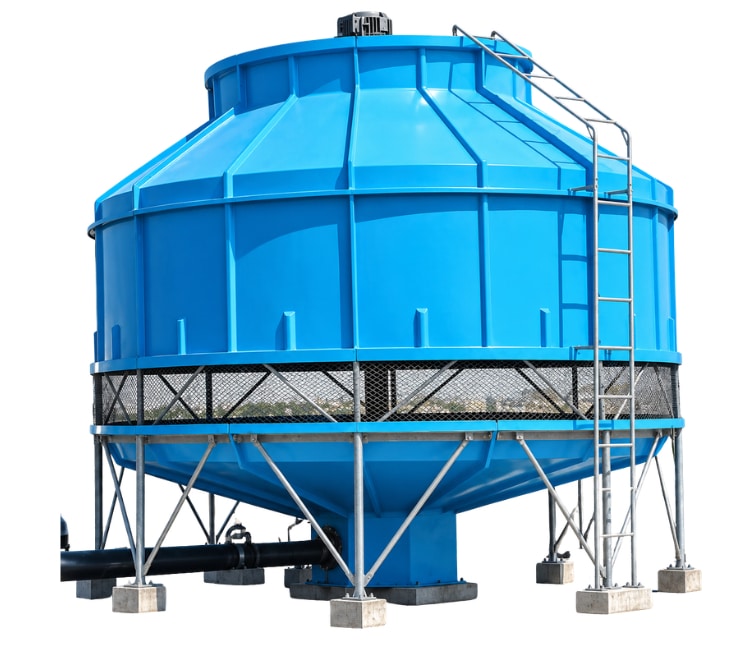
A cooling tower is a heat rejection device that cools water by bringing it into contact with air. A small part of the water evaporates, which removes heat from the rest, so the cooled water goes back to your process, chiller or ETP. The coldest it can get is limited by the air's wet-bulb temperature.
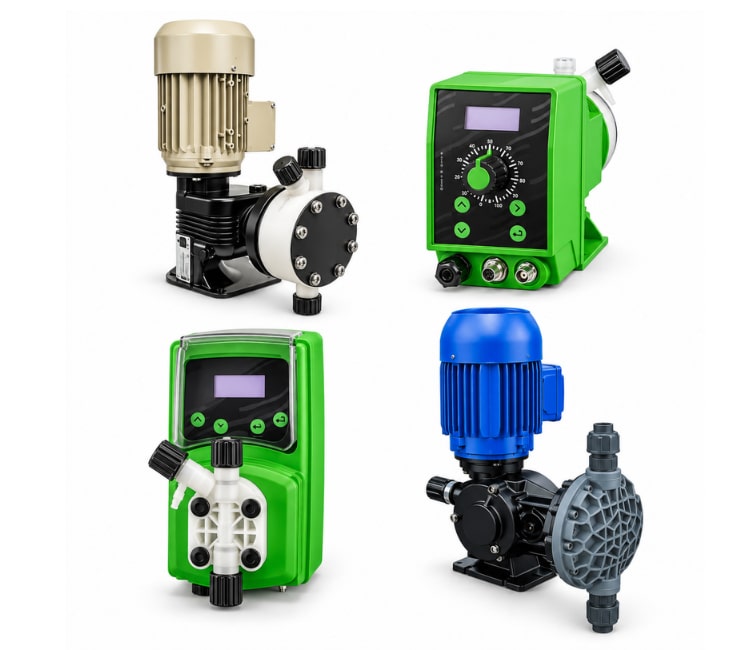
A cooling tower is not a chiller. A chiller can make water colder than the air, while a tower can only cool it down toward the wet-bulb temperature, using far less machinery. Water treatment matters too: see our chemical dosing pump for feeding scale and biocide chemicals.
- Counter flow bottle type, counter flow box type and cross flow models
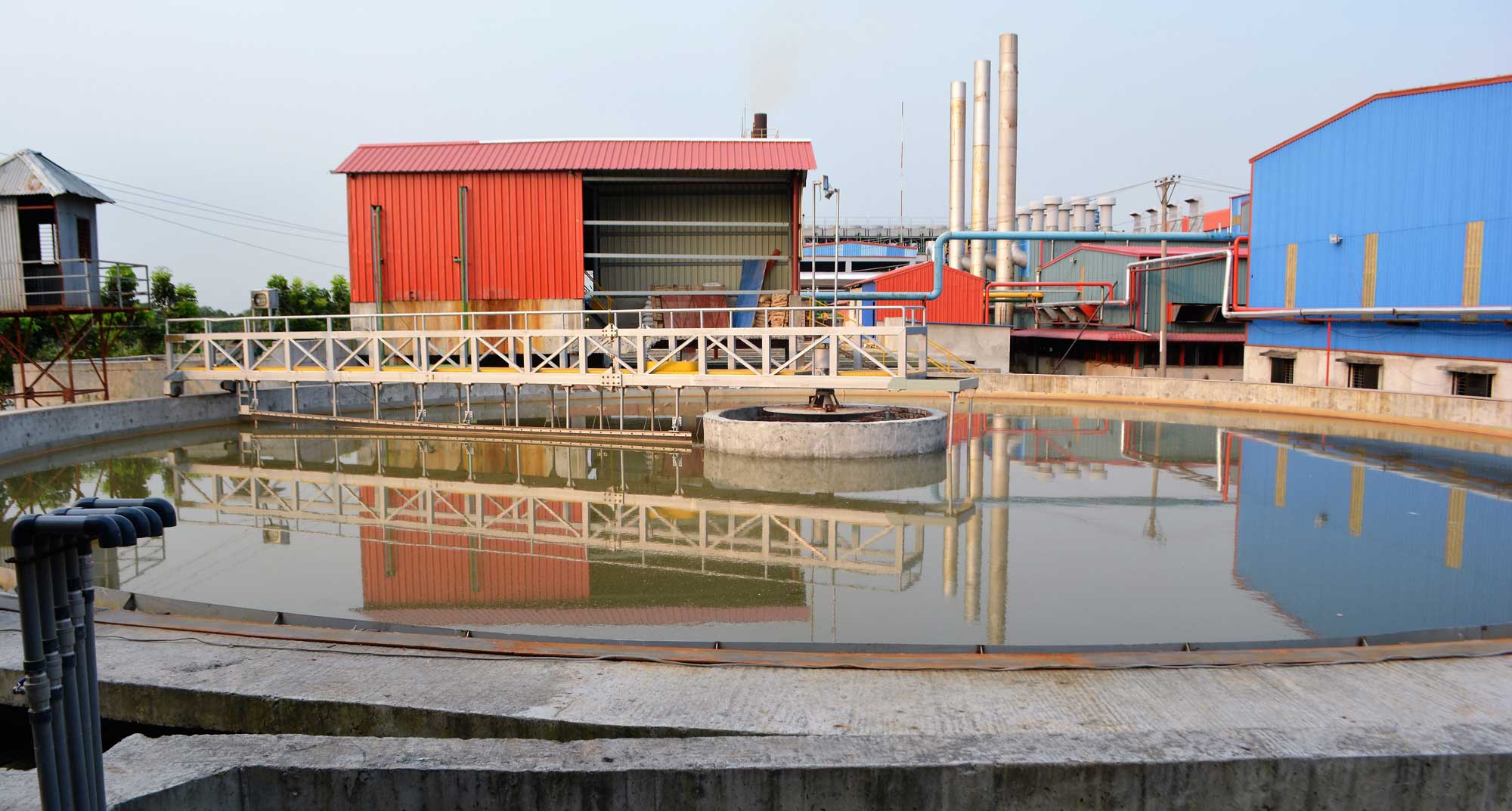
- Cools ETP effluent, gas generator water, chiller condenser water and HVAC loops
- Spare parts: in-fill, sensor, spray head, fan and motor
- Installation and after-sales support in Bangladesh
Cooling Tower Specifications
- Type
- Counter flow bottle type, counter flow box type, cross flow
- Brands
- Newin, Ocean
- Origin
- China, Malaysia
- Application
- ETP, gas generator, wastewater cooling, chiller, HVAC and other uses
- Spare parts
- In-fill, sensor, spray head, fan, motor
- Capacity, flow, fan motor, body material
- Depends on the model. Send your duty point and we confirm the datasheet
- Cooling tower ton (rule of thumb)
- 1 tower ton = 15,000 BTU/h, about 4.4 kW of heat rejected. This is larger than a 12,000 BTU/h refrigeration ton
- Typical approach (rule of thumb)
- About 3 to 8 °C above the air's wet-bulb temperature
The last two rows are general engineering guides, not model ratings. Exact capacity, fan power and materials depend on the model you select, so we confirm them from your flow and temperatures.
How a Cooling Tower Works
- Hot Water Goes UpHot water from your process, chiller condenser or effluent line is pumped to the spray head at the top of the tower.
- Water Spreads Over the FillThe spray head spreads the water across the in-fill, which breaks it into thin films with a large surface.
- Fan Moves the AirThe fan draws outside air through the fill, so air and water touch over a large area.
- A Little Water EvaporatesEvaporation takes heat from the rest of the water. It uses about 1.8% of the flow for every 10 °C of cooling.
- Cold Water ReturnsThe cooled water collects in the basin and goes back to the process. Make-up water replaces what evaporated or was drained.
Key Benefits
A cooling tower turns one stream of water into a loop you can reuse.
- Recirculates the water, so only evaporation, drift and blowdown need replacing
- Cools water to about 3 to 8 °C above the air's wet-bulb temperature
- Bottle, box and cross flow models to suit your space and servicing needs
- Serves ETP effluent, gas generators, chillers and HVAC from one supplier
- In-fill, sensor, spray head, fan and motor available as spares
- Local engineering and after-sales support from Techno Bangla
Is a Cooling Tower Right for You?
Choose a Cooling Tower When
- You must reject a steady heat load from circulating water
- Your target water temperature is above the local wet-bulb temperature
- You have make-up water and a drain for blowdown
- You have an open outdoor or roof area with free airflow
- You can treat the water against scale and bacterial growth
Choose Another Solution When
- You need water colder than the wet-bulb temperature, so use a chiller
- The fluid is dirty or must not touch air, so use a closed-circuit cooler or heat exchanger
- Water for evaporation is scarce or unavailable
- The hot stream is effluent and the cooling design is not yet settled. See our ETP plant team
- You have no space or airflow for a tower
Where Cooling Towers Are Used
Any site that has heat to reject into circulating water.
- ETP Effluent Cooling
- Gas Generator Cooling
- Wastewater Cooling
- Chiller Condenser Water
- HVAC Systems
- Textile and Dyeing Plants
- Industrial Process Water
How to Choose the Right Cooling Tower
Share these details with our engineers and we will recommend a suitable model and size.
- Heat load and flow. Heat load in kW is about flow in m³/h × temperature drop in °C × 1.163. One tower ton is 15,000 BTU/h, about 4.4 kW. Give us your flow or your kW.
- Hot water, cold water and wet bulb. Tell us the hot water in, the cold water you need and your site's wet-bulb temperature. Water cannot get colder than the wet bulb. In humid tropical countries like Malaysia and Singapore the average is about 27.8 °C, so a 3 to 8 °C approach gives cold water near 31 to 36 °C. Check your target first.
- Tower type and space. Counter flow suits tight space. Cross flow gives easier service. A bottle type is a compact round unit, while a box type is a square unit that can usually be grouped when your load grows.
- Water quality and treatment. Make-up water equals evaporation plus drift plus blowdown. Scale, corrosion and bacteria such as Legionella need a treatment and disinfection plan. Allow for a dosing pump.
- Spares and inspection. Plan for in-fill, spray head, fan, motor and sensor. Check the fill and drift eliminators on a regular schedule.
Frequently Asked Questions
What is a Newin cooling tower?
Newin is a Shenzhen-based manufacturer with more than 20 years of experience in wet and hybrid cooling towers, including open and closed-circuit models. Techno Bangla Creation supplies Newin cooling towers in Bangladesh, with spare parts, installation and after-sales support, and confirms the right model for your duty point.
What is the difference between Newin and Ocean cooling towers?
Both are brands we supply. Newin is made in China, and our listing shows Ocean origin as Malaysia. Capacity, body material, fan power and price vary by model rather than brand alone, so send your flow and temperatures and we will compare the best options for your duty point.
What is the cooling tower price in Bangladesh?
Price depends on capacity (RT or m³/h), tower type (bottle, box or cross flow), body material, fan motor and fill. Accessories and installation add cost. Send your flow, hot and cold water temperatures and site details, and we will quote the matching Newin or Ocean model.
How do I choose a cooling tower supplier in Bangladesh?
Ask for a thermal selection or datasheet for your temperatures, not just a tonnage. Check that spare parts such as fill, spray heads, fans and motors are available locally. Confirm installation and after-sales support, and ask how water treatment will be handled.
Do you supply cooling tower spare parts?
Yes. We supply in-fill, sensors, spray heads, fans and motors for the cooling towers we sell. Send the tower model, photo or nameplate, and we will confirm the matching part.
What are the types of cooling towers?
Cooling towers are open (water touches air) or closed-circuit (a coil keeps the fluid sealed). They are counter flow or cross flow, and induced or forced draft. Our Bangladesh range covers counter flow bottle, counter flow box and cross flow open towers.
What is the difference between an open and a closed-circuit cooling tower?
In an open tower, process water is sprayed and exposed to air, which gives maximum evaporation and cooling. A closed-circuit tower passes the fluid through a coil and sprays separate water outside, so dirty or valuable fluids stay clean. Closed designs cost more.
What are range and approach in a cooling tower?
Range is the hot water temperature minus the cold water temperature. Approach is the cold water temperature minus the air’s wet-bulb temperature. A smaller approach needs a larger tower, so a practical approach is often about 3 to 8 °C.