Turbo Roots Air Blower: Trundean Turbo Blower Supplier
Cut the biggest power bill in your treatment plant. The Trundean turbo blower spins a direct-coupled impeller on air bearings, so air stays oil-free while a VFD matches airflow to oxygen demand, with Techno Bangla Creation Ltd. sizing help, installation and after-sales support.
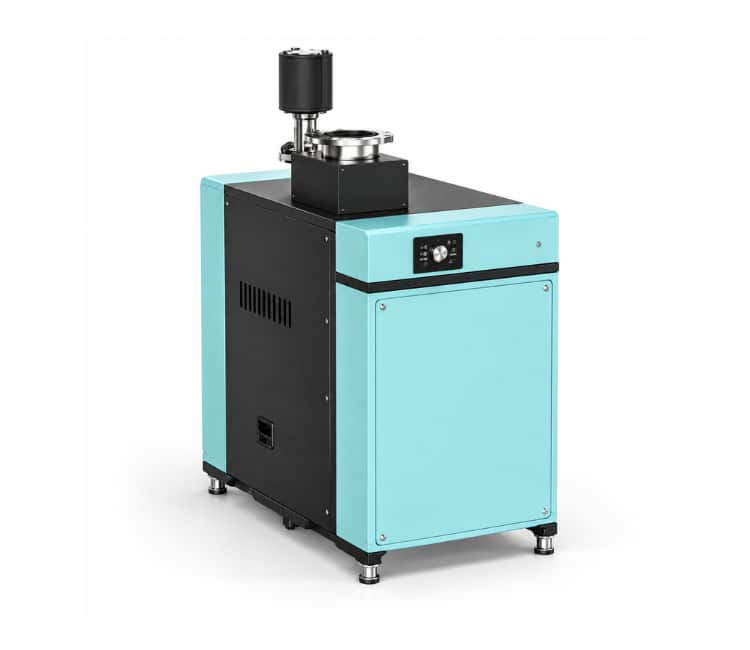

What Is a Turbo Blower?
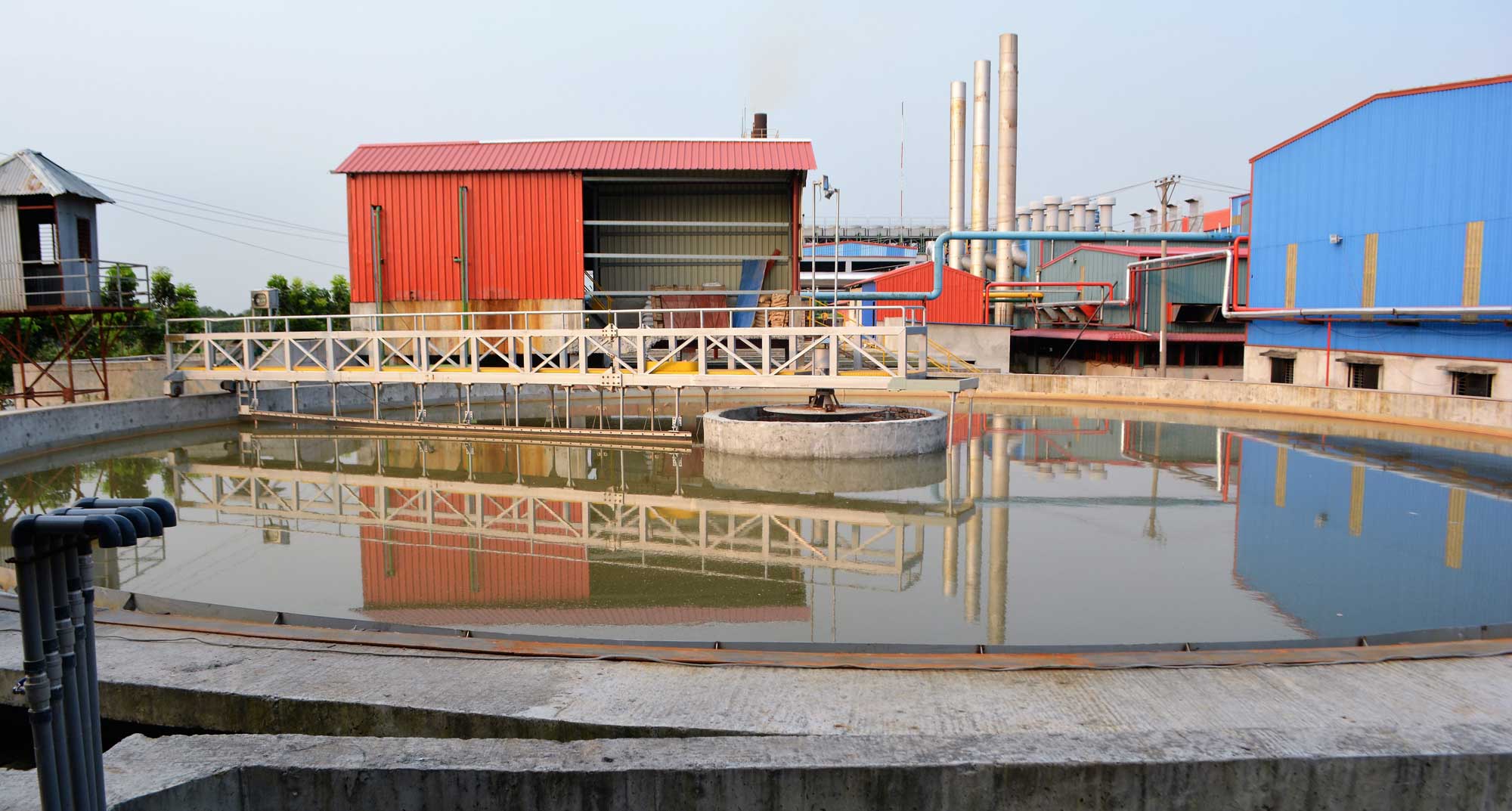
A turbo blower is a high-speed centrifugal air blower. An impeller spinning at tens of thousands of RPM accelerates the air and turns that speed into pressure. In ETP, WTP and STP plants it supplies aeration air to the biological tank, usually with lower energy use than a Roots (positive-displacement) blower.
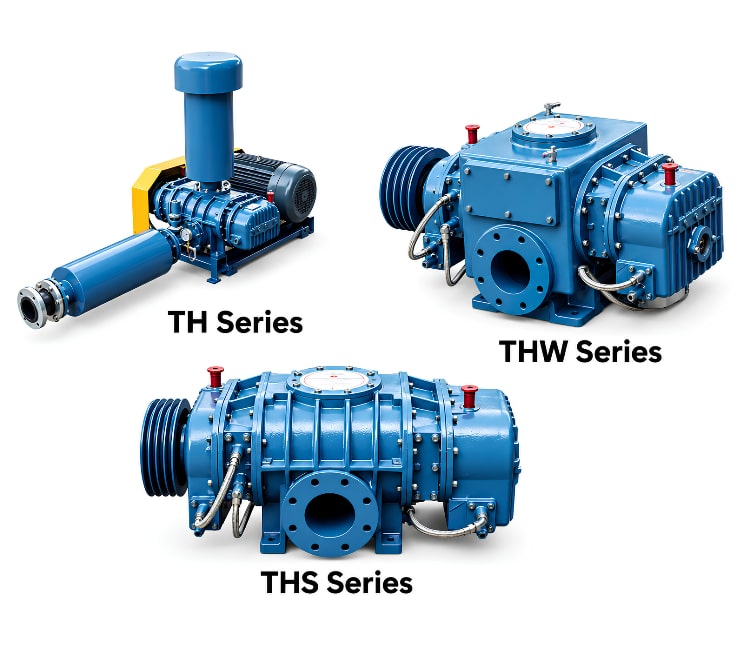
A turbo blower is not a Roots blower. A Roots blower traps a fixed volume of air between two lobes, while a turbo blower compresses air dynamically. For the lobe type, see our Roots air blower page.
- Single-stage, high-speed centrifugal design
- Airflow follows demand through inverter speed control
- Suited to ETP, WTP, STP, municipal and fisheries use
- Installation and after-sales support in Bangladesh
Turbo Blower Specifications
- Type
- Single-stage, high-speed turbo (centrifugal) blower
- Capacity
- 180 ~ 5100 m³/hr (about 3 ~ 85 m³/min)
- Pressure
- 1000 ~ 10000 mmAq (about 9.8 ~ 98 kPa)
- Power
- 1 ~ 300 HP (about 0.75 ~ 224 kW)
- Application
- ETP, WTP, STP, Municipal, Fisheries, Pneumatic Conveying, Pressure Increase
- Brand
- Trundean
- Origin
- Taiwan
Exact capacity, pressure, motor and bearing type depend on the model you select. Send us your duty point and our engineers will confirm the right size.
How a Turbo Blower Works
- Air IntakeFiltered air enters the blower inlet.
- Impeller Accelerates AirA direct-coupled impeller spins at very high speed and throws the air outward.
- Speed Becomes PressureThe casing slows the air and converts its speed into discharge pressure.
- Inverter Matches DemandA VFD changes motor speed so airflow follows the tank's oxygen demand.
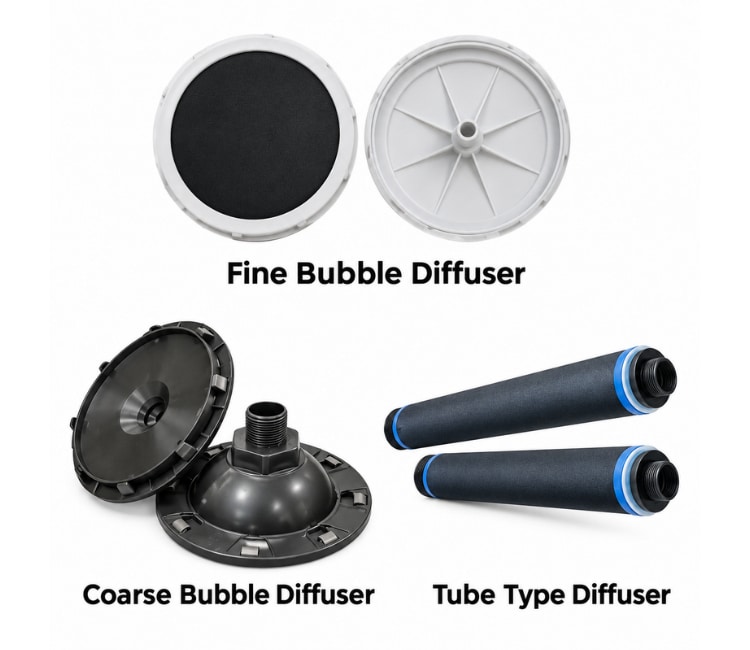
- Air Reaches DiffusersPiping carries the air to air diffusers that release fine bubbles.
Key Benefits
Aeration is often the largest energy user in a treatment plant, so the blower you choose matters.
- Lower aeration energy: reports show roughly 20 to 40% savings versus positive-displacement blowers
- Inverter speed control lets airflow follow oxygen demand
- Low noise and vibration compared with lobe blowers
- Compact, light package that is simple to install
- Low routine maintenance on air or magnetic bearing designs
- Local engineering and after-sales support from Techno Bangla
Which Blower Fits Your Plant?
Choose a Turbo Blower When
- Aeration runs continuously for many hours a day
- Power cost is high and energy savings matter
- Noise, vibration or floor space is limited
- Flow is medium to large and fairly steady
- You want a clean, oil-free air supply
Choose a Roots Blower When
- The plant is small or the load is intermittent
- Flow swings widely and needs a wide turndown
- The blower starts and stops often
- Upfront cost is the main limit
- Back pressure changes a lot. See our Roots air blower.
Where Turbo Blowers Are Used
Any process that needs a steady supply of air at moderate pressure.
- ETP Aeration
- WTP
- STP Aeration
- Municipal Treatment
- Fisheries
- Pneumatic Conveying
- Pressure Increase
How to Choose the Right Turbo Blower
Share these details with our engineers and we will recommend a suitable model and size.
- Airflow and turndown. Note peak and minimum air demand. Turbo blowers have a narrower turndown, so the normal load should sit inside the working range.
- Discharge pressure. Every 1 m of water above the diffusers needs about 1000 mmAq, plus pipe and diffuser losses.
- Site air temperature. Hot air is less dense and lowers output. Ask for performance at your real inlet temperature.
- Running hours and power tariff. Longer running hours repay the energy savings faster.
- Start-stop pattern, space and noise. Frequent cycling favours lobe blowers. Tight rooms favour compact turbo units.
Frequently Asked Questions
Is a turbo roots air blower the same as a Roots blower?
No. A Roots blower traps air in lobes, while a turbo blower accelerates air with a high-speed impeller and turns that speed into pressure. “Turbo roots” is a mixed search term, so we ask your airflow and running hours first, then recommend one.
What is an air-bearing turbo blower?
The shaft rides on a thin film of air, so no oil is used and there is little mechanical contact once spinning. Air bearings typically touch at start-up and shutdown, so avoid frequent start-stop cycling. Trundean’s air bearings are its own patented design.
How much energy can a turbo blower save?
Manufacturers and utility case studies report about 20 to 40 percent lower aeration energy than positive-displacement blowers, with individual reports near 30 percent. Real savings depend on load profile, discharge pressure and running hours, so ask for a plant-specific estimate before you buy.
What capacity and pressure range do you supply?
Our Trundean turbo blowers cover 180 to 5100 m3/hr (about 3 to 85 m3/min) of airflow, 1000 to 10000 mmAq of pressure and 1 to 300 HP of power. Exact limits depend on the model, so we confirm the right size from your airflow and pressure requirement.
Is a turbo blower suitable for hot climates like Bangladesh?
Turbo blowers are used in warm climates when sized for site conditions. Hot inlet air is less dense, which lowers output and efficiency, so ask for performance data at your real inlet temperature. Our engineers check this during selection.
Are turbo blowers oil-free?
Turbo blowers with air-foil or magnetic bearings need no oil inside the machine, so the delivered air stays oil-free. Bearing type differs by model, so confirm it on the datasheet of the exact blower you select.
What maintenance does a turbo blower need?
On air-bearing and magnetic-bearing designs, routine work is mainly replacing intake filters and checking the inverter and controls. Some magnetic-bearing units also use backup batteries. Techno Bangla Creation provides installation, commissioning and after-sales support.
What test standard or performance report can I request?
Trundean states its turbo blowers can be tested to KS B 6350, PTC 13 and ISO Annex G, with a report on request. Ask us to include a witnessed test in your quotation if the purchase needs one.