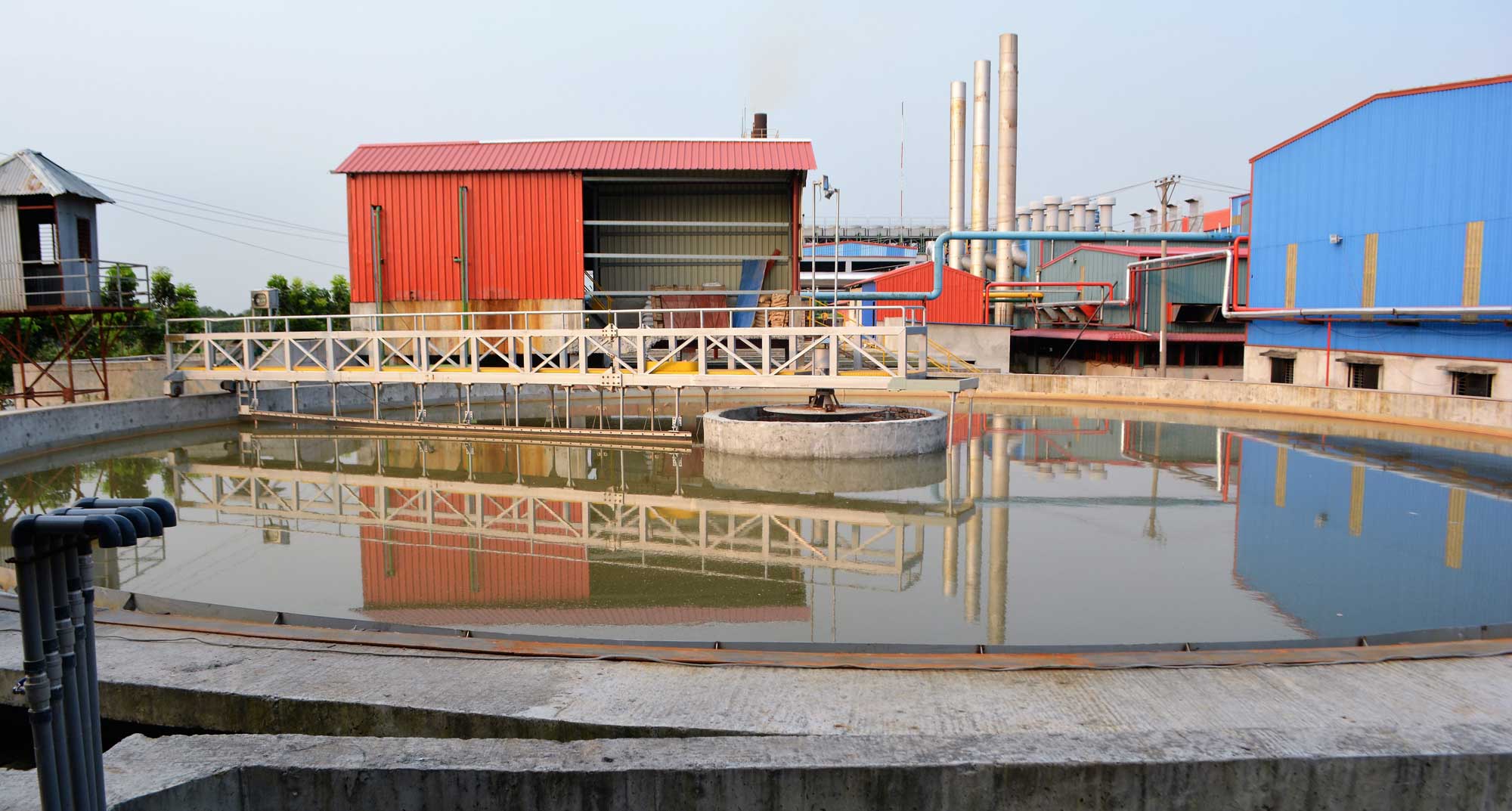
Sewage Treatment Plant (STP) Supplier in Bangladesh
Aerobic and anaerobic sewage treatment plants for homes, commercial buildings and municipal wastewater, with installation and after-sales support from Techno Bangla Creation.

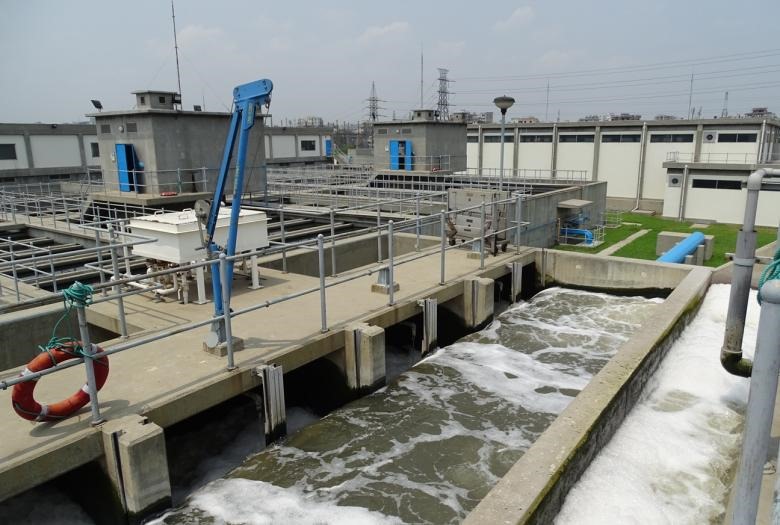
What Is a Sewage Treatment Plant?
A sewage treatment plant (STP) cleans wastewater from toilets, kitchens and bathrooms before it is discharged or reused. It removes solids and dissolved organic pollution, mostly with bacteria, so the treated water is safe for the environment and can often be reused for flushing or gardening.
An STP treats domestic sewage. Factory process wastewater from dyeing, chemicals or food needs an effluent treatment plant (ETP), which is designed around the pollutants of that process.
- Treats sewage from homes, offices, hotels and municipal sources
- Aerobic and anaerobic biological treatment methods
- Sized from your daily flow and discharge requirement
- Installation and after-sales support in Bangladesh
Which Types of Sewage Treatment Do We Offer?
Most plants combine more than one method. The right mix depends on load, space and the quality you need.
Aerobic Biological Treatment
Anaerobic Biological Treatment
- Bacteria work without oxygen, so no aeration is needed
- Often used as a first stage to cut the organic load
- Lowers energy and sludge in the stage that follows
- Usually paired with aerobic polishing to meet discharge limits
MBBR and MBR Options
- MBBR grows bacteria on plastic carriers. See our MBBR media
- MBR adds membranes in place of a clarifier. See our MBR plant
- Both suit tight sites and variable loads
- MBR gives the highest quality but costs more to run
How Does a Sewage Treatment Plant Work?
- Screening and GritScreens catch rags and plastics, grit settles out.
- EqualisationA tank evens out flow and load through the day.
- Primary SettlingHeavy solids settle. Reports show this removes about 50 to 70% of suspended solids.
- Anaerobic or Anoxic StageAn oxygen-free stage cuts organic load before aeration.
- Aeration TankBlowers and diffusers feed oxygen to bacteria that eat the pollution.
- Clarifier or MembraneBacteria are separated from clean water by settling or membranes.
- DisinfectionChlorine or UV kills remaining germs, with dosing pumps for chemical feed.
- Reuse or DischargeTreated water goes to flushing, gardening or the drain, as permitted.
- Sludge HandlingSludge is thickened and dewatered with a filter press or screw press.
What Size STP Do I Need?
Start from daily sewage in KLD (1 KLD = 1,000 litres per day).
- Formula
- People × litres per person per day × 0.8 × 1.2 ÷ 1,000 = KLD
- Why 0.8
- About 80% of the water a building uses is commonly assumed to return as sewage
- Why 1.2
- A margin of about 20% covers growth and busy days
- Example
- 400 residents × 135 L × 0.8 = 43.2 KLD. With margin, about 52 KLD. Round up to the next plant size
The 135 litres per person figure is a common Indian residential design norm. Use metered data where you have it. Hotels, hospitals and offices use different values, and tanks and pumps are also checked against peak flow, not only the daily total.
Why Install an STP?
- Treated water can meet discharge limits set under the Environment Conservation Rules
- Keeps sewage out of drains, canals and rivers around your site
- Reuse of treated water for flushing, gardening or cooling, depending on quality
- Works where no public sewer is available
- Compact MBBR and MBR options for tight sites
- Local engineering and after-sales support from Techno Bangla
Do You Need an STP, an ETP or a Septic Tank?
Choose an STP When
- Your wastewater is mainly toilets, kitchens and washing
- You discharge to a drain, canal or river and must meet limits
- No public sewer serves your building
- You want to reuse treated water
Look at Other Options When
- Wastewater is dyeing, chemical or process water. You need an ETP
- You can connect to a working public sewer
- No one can run it. An STP needs power, desludging and regular checks
- A septic tank alone is not enough, since it only gives basic treatment
Where Are Sewage Treatment Plants Used?
- Residential Buildings
- Apartment Complexes
- Commercial Buildings
- Hotels and Resorts
- Hospitals and Clinics
- Schools and Universities
- Restaurants and Food Courts
- Factory Domestic Sewage
- Municipal Wastewater
What Do We Need to Design Your STP?
Share these details and our engineers will recommend a plant size and process.
- Daily flow or users. Number of people, rooms or beds, or sewage in KLD.
- Type of wastewater. Toilet sewage only, or kitchen and laundry too.
- Discharge point and goal. Drain, canal, river or reuse, and the limits that apply.
- Space and levels. Available area, tank depth and any existing septic tank.
- Power and operation. Power supply and who will run the plant.
Frequently Asked Questions
Does my factory need a separate STP if it already has an ETP?
Usually yes for the sanitary side. An ETP is built for process wastewater, and red-category factories such as textile dyeing plants must treat that wastewater in an ETP. An STP handles toilets, canteens and dormitories. ECR 2023 includes Rule 33 on the construction, approval and operation of liquid and sewage waste treatment plants of industrial establishments, so confirm your exact requirement with the Department of Environment.
Can I send toilet and canteen sewage into my ETP instead of building an STP?
It is sometimes done, but it blends domestic and industrial wastewater. The Higg FEM asks whether you treat the two together, and the ZDHC Wastewater Guidelines test the combined stream when the two are blended, while they do not apply to domestic wastewater that stays separate. Blending also adds pathogens and variable load to the ETP. Check your ETP capacity, your buyers' programmes and the Department of Environment before you decide.
Why does shift change overload a factory STP, and how do you design for it?
Hundreds or thousands of workers use toilets and the canteen within the same short window, so flow can run well above the daily average. We size tanks, pumps and blowers against peak flow, and we add an equalisation tank so the biological stage sees a steadier feed. Tell us your headcount, shift times and canteen size.
Which STP technology is best: MBBR, SBR or MBR?
No single one is best. MBBR suits variable loads and upgrades, SBR suits space-limited sites with batch flow, and MBR gives the highest effluent quality for reuse but costs more to build and run. We pick from your flow, space, quality target and the skills available to operate the plant.
How do I calculate the STP capacity I need?
Estimate daily water use, take about 80% as sewage, add roughly 20% margin and express it in KLD. For example, 400 residents at 135 litres each gives about 43 KLD, or about 52 KLD with margin. Use metered data where available. Our engineers also check peak flow before sizing tanks and pumps.
Can treated sewage water be reused?
Often yes, for toilet flushing, gardening and similar non-drinking uses, depending on the treated quality and local rules. MBR plants give the highest quality, while MBBR or activated sludge plants may need extra polishing. Treated sewage should never be used for drinking without further advanced treatment and approval.
How much does an STP cost in Bangladesh?
Cost depends mainly on daily capacity in KLD, the technology chosen (MBBR, SBR or MBR), tank type and level of automation. A fixed figure would mislead, so we quote from your flow, site conditions and discharge target. Send those details and our engineers will reply with a free quotation.
How can I get a quotation for an STP?
Send your building type, number of users or daily flow, available space and discharge point to our engineers by phone or email. We reply with a free quotation for your STP, ETP, WTP or water treatment equipment, with installation and after-sales support across Bangladesh.