Digital Flow Meter BDSupplier & Importer
Stop guessing your plant’s water, steam and fuel numbers. Our digital flow meters read liquids, gas and steam with a clear display and PLC-ready signals, backed by Techno Bangla’s selection help, installation and after-sales support across Bangladesh.
What Is a Flow Meter?
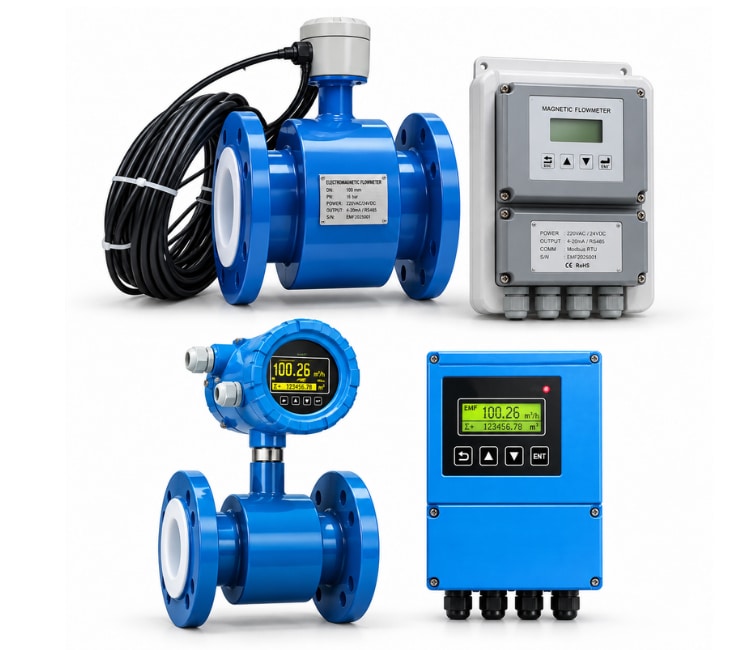
A digital flow meter is an electronic instrument that measures how much liquid, gas or steam passes through a pipe or channel and shows flow rate and total on a display, often with 4–20 mA, pulse or RS-485 outputs. Techno Bangla Creation supplies electromagnetic, vortex, thermal mass, turbine, oval gear and open channel types in Bangladesh.
No single meter fits every line. Electromagnetic meters need a conductive liquid, vortex meters suit steam, and an open drain needs a flume with an ultrasonic sensor. The guide below shows which type fits which job.
- Closed-pipe and open-channel measurement options
- Water, effluent, steam, compressed gas and diesel lines
- Selection help from fluid, pipe size and flow range
- Installation and after-sales support in Bangladesh
Which Types of Flow Meters Do We Supply?
Six meter types cover most factory, ETP, WTP, boiler and fuel-line needs. Open a card for the product page.

Electromagnetic Flow Meter
For water, wastewater and other conductive liquids in a full pipe. No moving parts in the flow. Typically needs fluid conductivity of about 5 µS/cm or more.

Vortex Flow Meter
The usual choice for steam, and it also reads clean gas and liquid. Weak at very low flow and sensitive to vibration.

Open Channel Flow Meter
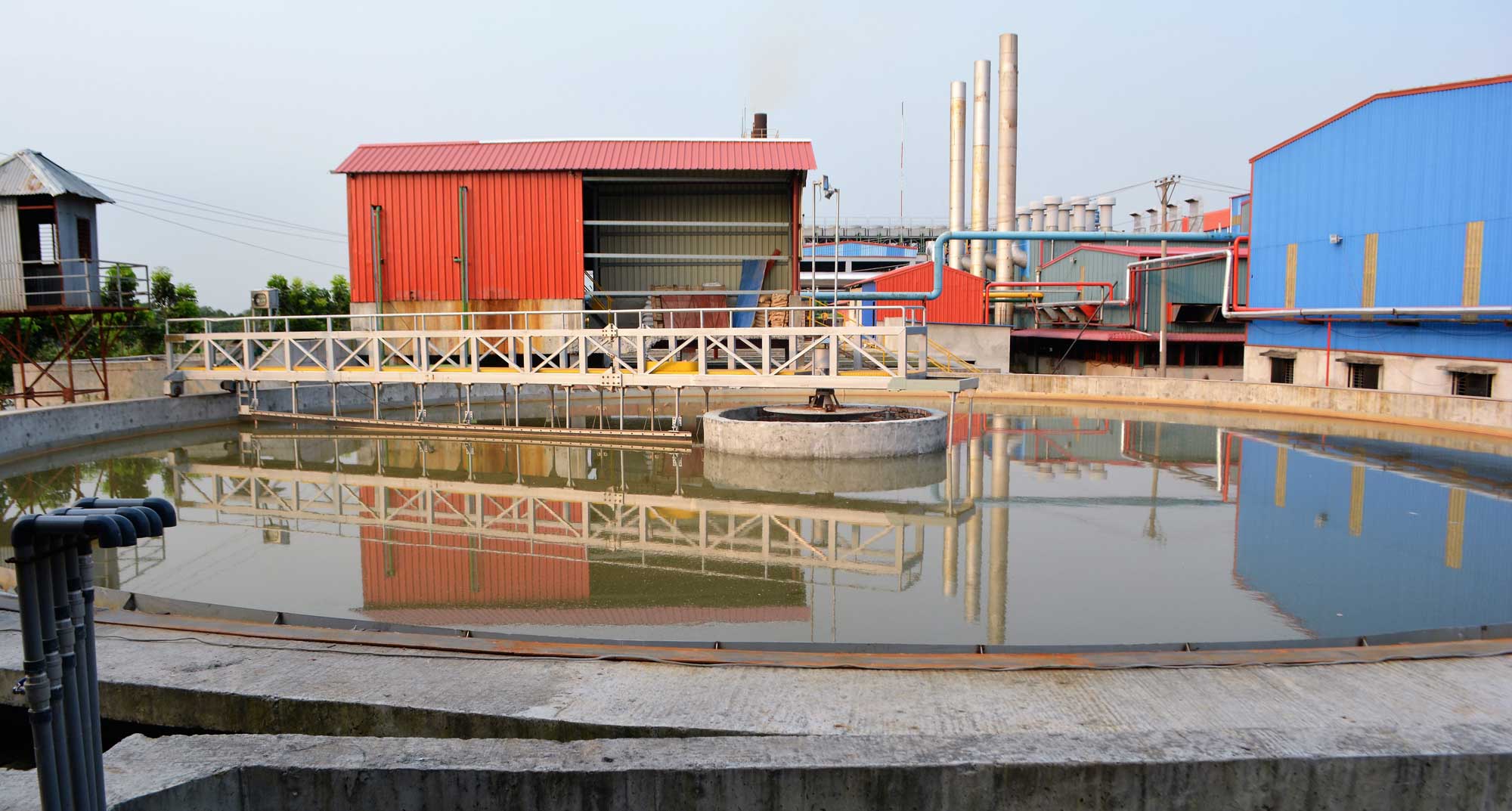
For ETP and STP outlets, drains and channels. A non-contact ultrasonic sensor reads water level over a weir or Parshall flume and converts it to flow.

Thermal Gas Flow Meter
Measures gas mass flow, such as compressed air and process gas. Handles low gas flows better than a vortex meter.

Turbine Gas Flow Meter
Accurate on clean, low-viscosity fluids. It has a spinning rotor, so plan for wear and a clean fluid.
Oval Gear (Diesel) Flow Meter
A positive-displacement meter for diesel and similar fuels. Confirm the viscosity range and filter need on the datasheet of the exact model.
Which Flow Meter Fits Your Line?
Water or Effluent in a Full Pipe
- Choose electromagnetic when the liquid is conductive and the pipe is always full
- Avoid it when the fluid is gas, steam or oil, or the pipe runs part-full
Steam Lines and Boilers
- Choose vortex when you measure steam or clean gas at steady flow. Pick a multivariable type for mass billing
- Avoid it when flow is very low, pulsing or the pipe vibrates strongly
Compressed Air and Process Gas
- Choose thermal mass when you need gas mass flow, especially at low flow. Turbine suits clean, steady gas
- Avoid it when the gas is dirty and there is no cleaning plan
ETP Outlet, Drains and Channels
- Choose open channel when water flows by gravity and a flume or weir can be built
- Avoid it when the line is a full, pressurised pipe
Why Do Factories and ETPs in Bangladesh Need Flow Meters?
Environmental rules now focus on proof, not only on having an ETP. A flow meter gives the discharge record a plant can show to the Department of Environment (DoE).
The Environment Conservation Rules 2023 replaced the 1997 rules in March 2023. A legal guide on the rules reports that factories discharging into surface water must install flow meters, automatic samplers and continuous monitoring equipment. In 2025, DoE sent final notices to 2,046 factories around Dhaka to keep their ETPs running, and in 2026 officials said work is under way to bring ETPs online. Requirements differ by industry category, so confirm yours with DoE or your consultant.
- ETP outlet: open channel meter with a flume or weir for discharge records
- ETP and WTP pipes: electromagnetic meter for raw or treated water volume
- Boiler steam line: vortex meter for steam use in textile, dyeing and food plants
- Compressed air audit: thermal mass meter to find air use and leaks
- Humid, wet plant areas: ask for an IP65 or IP68 enclosure and confirm it on the datasheet
How Do I Select the Right Flow Meter?
- Name the FluidWater, effluent, chemical, steam, gas or oil. This alone removes most wrong options.
- Set the Flow RangeGive minimum, normal and maximum flow. Accuracy is weakest near the low end of any meter.
- Check Pipe and SpaceNote line size, whether the pipe stays full and the straight pipe available. Each model states its own need.
- Pick OutputsAsk about a local totaliser and signals such as 4–20 mA or RS-485 for PLC or SCADA, and confirm on the datasheet.
- Check the SiteTemperature, vibration, grounding, power supply and enclosure rating all matter in Bangladesh plants.
Where Are Flow Meters Used?
Any line where you need to control, bill or report flow.
- ETP Outlet
- WTP
- STP
- Boiler Steam
- Compressed Air
- Textile and Dyeing
- Diesel and Fuel
- Pharma and Food
Frequently Asked Questions
What is a digital flow meter, and how is it different from an analog one?
A digital flow meter uses an electronic sensor and transmitter to show flow rate and total on a screen, usually with outputs for a PLC. An analog meter is a mechanical register with a dial. In Bangladesh listings, 2" analog meters sell for about ৳5,500–8,000, while digital electromagnetic meters start around ৳45,000.
Which digital flow meter do I need for my line?
The fluid decides. Use electromagnetic for water and effluent in a full pipe, vortex for steam, thermal mass for compressed air, oval gear for diesel, and open channel for gravity drains. Send your fluid and pipe size and we confirm the type.
How much does a digital flow meter cost in Bangladesh?
In marketplace listings I reviewed, small digital electromagnetic meters start around ৳45,000 and 6" to 8" sizes reach about ৳1,10,000–1,20,000. Basic consumer meters cost far less, and special liners cost more. These are not quotations, so send your duty point for an exact price.
Is a flow meter compulsory for an ETP in Bangladesh?
Factories that discharge liquid waste must run ETPs under the Environment Conservation Rules 2023. A legal guide reports that discharge to surface water also requires installing flow meters, automatic samplers and continuous monitoring. Requirements differ by industry category, so confirm yours with DoE or your consultant.
How accurate is a digital flow meter, and does it need calibration?
Accuracy depends on the type. Makers often quote about ±0.2 to 0.5% of reading for electromagnetic meters, and other types differ, so confirm each datasheet. Accuracy is verified against a reference meter with better accuracy. If readings feed compliance records, ask for a calibration certificate.
What output do I need to connect a flow meter to a PLC or SCADA?
Most industrial digital meters offer a 4–20 mA signal, a pulse output, or RS-485/Modbus. Pick by what your controller accepts, and say whether you need a local totaliser too. Confirm the available outputs on the datasheet of the exact model.
Why does my flow meter show wrong readings?
Common causes are a part-full pipe on an electromagnetic meter, installation right after a pump, valve or bend, and strong vibration on a vortex meter. Poor grounding and air bubbles also upset readings. Send us your installation point and we will advise.
What is the difference between a flow sensor and a flow meter?
A flow sensor only detects flow and often outputs raw pulses. A flow meter adds a transmitter and display, with calibration and a flow total. Low-cost hobby sensors suit projects, while ETP, boiler and billing duties need a calibrated industrial meter.