Mixing Agitator Supplier in Bangladesh
Chemicals only work as well as the mixing behind them. A mixing agitator spreads coagulant, lime, acid and polymer through your tank in seconds, then keeps it moving so nothing settles. Gear-motor agitators from 0.5 to 10 HP for ETP, WTP and STP tanks, installed and supported in Bangladesh by Techno Bangla Creation.

What Is a Mixing Agitator?
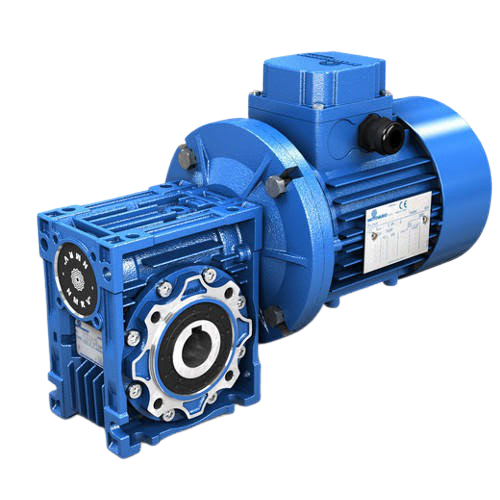
A mixing agitator is a motor-driven stirrer made of a gear motor, a shaft guide (lantern with bearing), a shaft and one or more impellers. It sits on top of a tank and turns the impeller to blend liquids, spread chemicals and keep solids suspended. In ETP, WTP and STP plants it is used for flash mixing, flocculation, polymer make-down and chemical and pH tanks.
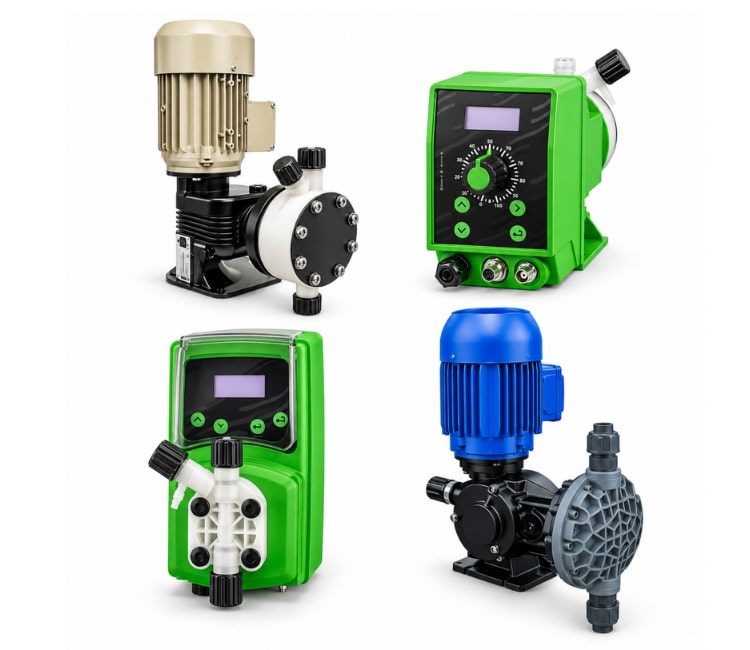
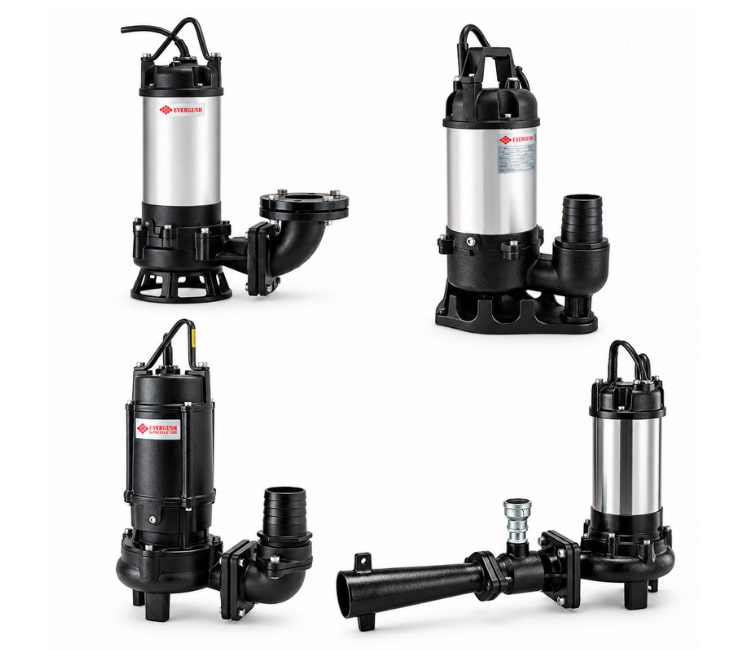
An agitator is not an aerator. It moves liquid but does not add air. For oxygen supply, see our submersible aerator. To feed chemicals into the mixing tank, see our chemical dosing pump.
- Gear motor drive with output speed of 25 to 200 rpm
- Motor power from 0.5 to 10 HP for small to medium tanks
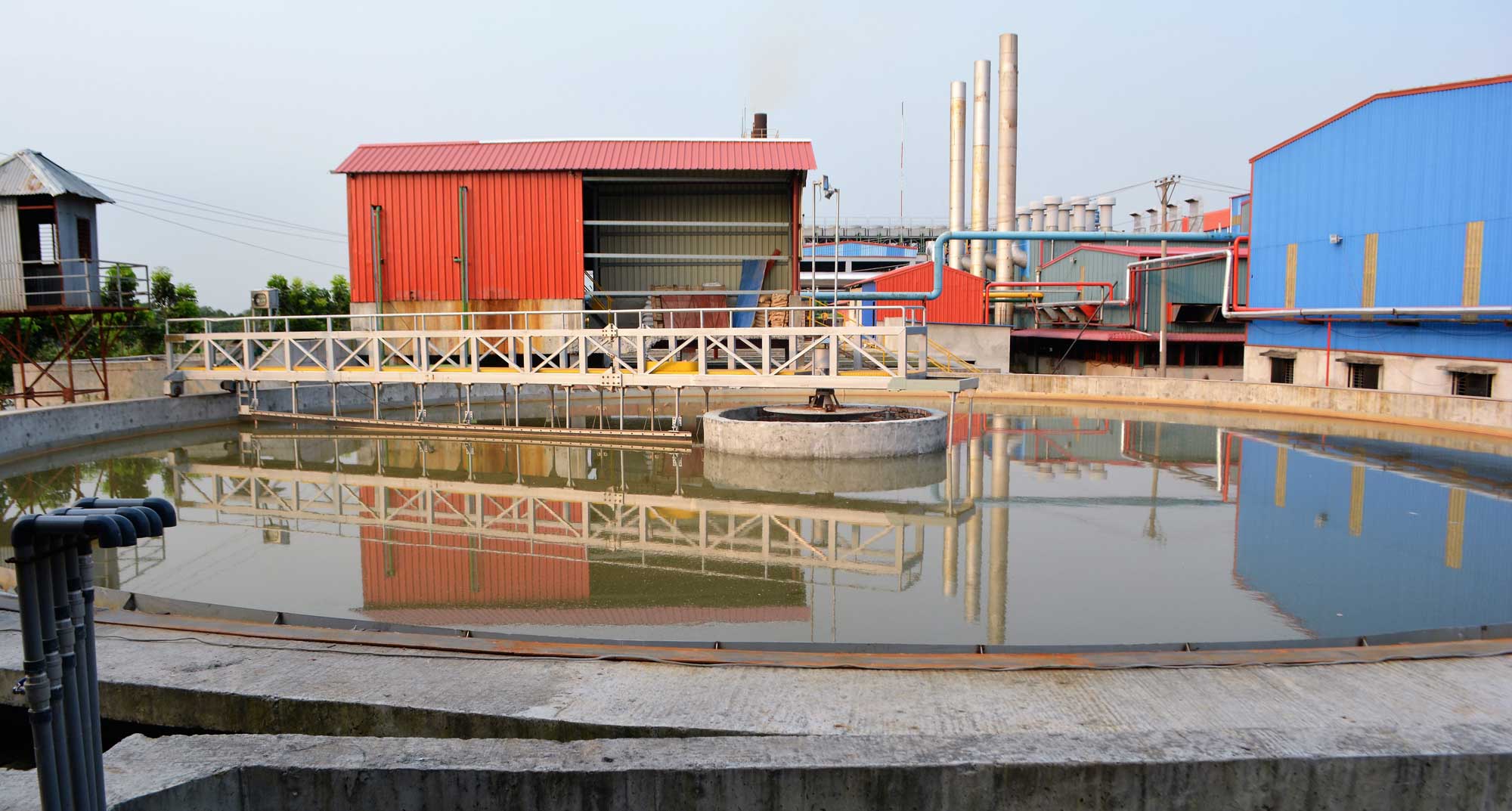
- Suited to flash mixing, flocculation and chemical mixture tanks
- Installation and after-sales support in Bangladesh
Mixing Agitator Specifications
- Type
- Gear-motor mixing agitator with shaft and impellers
- Main parts
- Drive (motor and gear), shaft guide (lantern with bearing), shaft, impellers
- Output speed
- 25 ~ 200 rpm
- Motor power
- 0.5 ~ 10 HP (about 0.37 ~ 7.5 kW)
- Application
- ETP, WTP, STP, Chemical Mixture, Flash Mixture, Flocculation
- Origin
- China
Exact speed, motor, shaft length, impeller type and material depend on the model and your tank. Send us your tank size and duty and our engineers will confirm the right agitator.
How a Mixing Agitator Works
- Motor TurnsThe electric motor runs at its normal high speed.
- Gear Reduces SpeedThe gearbox slows the output to a mixing speed, such as 25 to 200 rpm, and raises torque.
- Shaft Carries TorqueThe shaft runs through the lantern with bearing, which guides it and keeps it steady.
- Impeller Moves LiquidThe blades push the liquid and set up a flow pattern through the tank.
- Chemicals BlendCoagulant, dosed chemicals or polymer spread evenly, and solids stay suspended.
Key Benefits
Chemical treatment only works as well as the mixing behind it.
- Even chemical dispersion, so coagulant and pH chemicals reach the whole tank quickly
- Output speed range of 25 to 200 rpm covers slow flocculation and faster mixing duties
- Suitable for gentle, low-shear mixing of polymer solutions when the right speed and impeller are chosen
- Keeps solids and chemicals from settling in mixing and holding tanks
- Gear motor drive from 0.5 to 10 HP fits small to medium treatment tanks
- Local engineering and after-sales support from Techno Bangla
Which Impeller Type Fits Your Tank?
Impeller shape sets the flow pattern. Confirm which impeller types are available for your model.
Choose an Axial-Flow Impeller When
- The liquid is thin, like water or dilute chemical solution
- You need fast blending or solids kept in suspension
- The tank can have baffles to stop swirling
- You want strong top-to-bottom flow for the power used
- Typical types: propeller, pitched blade, hydrofoil
Choose a Radial or Paddle Impeller When
- The liquid is thick or needs solids broken up
- The job is gentle, low-speed flocculation
- The tank is long or shallow
- Shear must stay low, as with polymer make-down
- Not sure? Send your tank data and our engineers will advise
Where Mixing Agitators Are Used
Any tank where liquid, chemicals or solids must be kept moving and well mixed.
- Flash Mixing
- Flocculation
- Coagulant Tank
- Polymer Make-Down
- Chemical Mixture Tank
- pH Neutralization Tank
- ETP
- WTP
- STP
- Textile Dyeing Effluent
How to Choose the Right Mixing Agitator
Share these details with our engineers and we will recommend a suitable model and size.
- Mixing duty. State whether the tank is for flash mixing, flocculation, chemical mixing or holding. Each needs a different speed and intensity.
- Tank size and shape. Give volume, diameter, liquid depth and whether baffles exist. This sets shaft length and impeller size.
- Liquid and chemicals. Note viscosity, solids content and chemicals such as alum, ferric, lime or acid. Confirm shaft and impeller material for your liquid.
- Speed and shear. Activated polymer is shear sensitive, so it needs a slow, low-shear mix. Ask about variable speed if one tank serves several duties.
- Do not size by rule of thumb. Mixer makers note that old W/m3 or HP per volume rules are poorly defined. Give us your tank data for a proper selection.
Frequently Asked Questions
Is a mixing agitator the same as a mixer or an aerator?
In treatment plants, "agitator" and "mixer" usually mean the same thing: a motor-driven shaft and impeller that stirs a tank. An aerator is different, because its job is to add air for oxygen. If your tank needs oxygen for bacteria, you need a blower and air diffuser or an aerator, not only an agitator.
Why does my tank need baffles, and what happens without them?
Baffles are vertical plates on the tank wall that stop the liquid from simply spinning around with the impeller. Without them a vortex forms and the contents rotate almost like a centrifuge, so mixing is poor and the shaft is stressed. Four evenly spaced baffles are the usual setup, and most mixing tanks use at least three. Do not fit them flat on the very bottom, where solids can collect.
Why does the agitator turn at only 25 to 200 rpm when the motor runs near 1,400 rpm?
The gearbox slows the motor and multiplies torque. With a typical 1,400 rpm motor, a gear ratio of about 7:1 gives about 200 rpm and about 56:1 gives about 25 rpm. Slow speed with high torque moves heavy liquid and avoids breaking fragile floc or polymer chains.
How do I choose between a small and a large agitator for my tank?
Start from the tank, not from motor power. A common starting point is an impeller about one third of the tank diameter. For example, a 2.0 m wide tank filled to 2.0 m holds about 6.3 m³, and suggests an impeller about 0.65 m across. Final motor power and speed depend on your liquid, solids and mixing duty, so our engineers confirm them from your tank data.
Which shaft and impeller material do I need for alum, ferric chloride, lime or acid?
Mild steel suffers quickly in acids and ferric chloride. Stainless steel (SS304 or SS316) handles many chemicals, but strong ferric chloride and hydrochloric acid can attack even stainless steel, so coated, rubber-lined or plastic-lined parts may be needed. Tell us the exact chemical and concentration and we will confirm the material before you order.
Should the agitator run all the time?
It depends on the chemical. Lime slurry and other solids that settle usually need steady mixing, or they pack at the bottom. Dissolved chemicals such as alum, acid or alkali often only need mixing while you make up a batch. Polymer needs gentle mixing for a set time. Your chemical, tank and dosing routine decide the schedule.
Can one agitator handle both flash mixing and flocculation?
Not well at one fixed speed. Flash mixing spreads coagulant in seconds with high intensity. Flocculation is slow and gentle, typically for 20 to 30 minutes, so that small particles join into larger floc without breaking. Plants use a separate tank for each. A variable-speed drive can help when one tank must do several jobs, but confirm it with a jar test on your water.
What details should I send for a mixing agitator quotation?
Send the tank volume, diameter and liquid depth, the liquid and chemicals, the mixing duty (flash mixing, flocculation, chemical mixing or holding), whether the tank has baffles, how it will be mounted (bridge or platform), and your voltage and phase. Our Dhaka engineers reply with a free quotation. Call +880 1716 825385 or email marketing@technocreationbd.com.