Industrial Water TreatmentPlant in Bangladesh
Clean, scale-free, factory-ready water from your own groundwater. WTP, RO, DM, iron removal and softener plants, designed, supplied and installed by Techno Bangla Creation Ltd., Dhaka.
What Is an Industrial Water Treatment Plant?
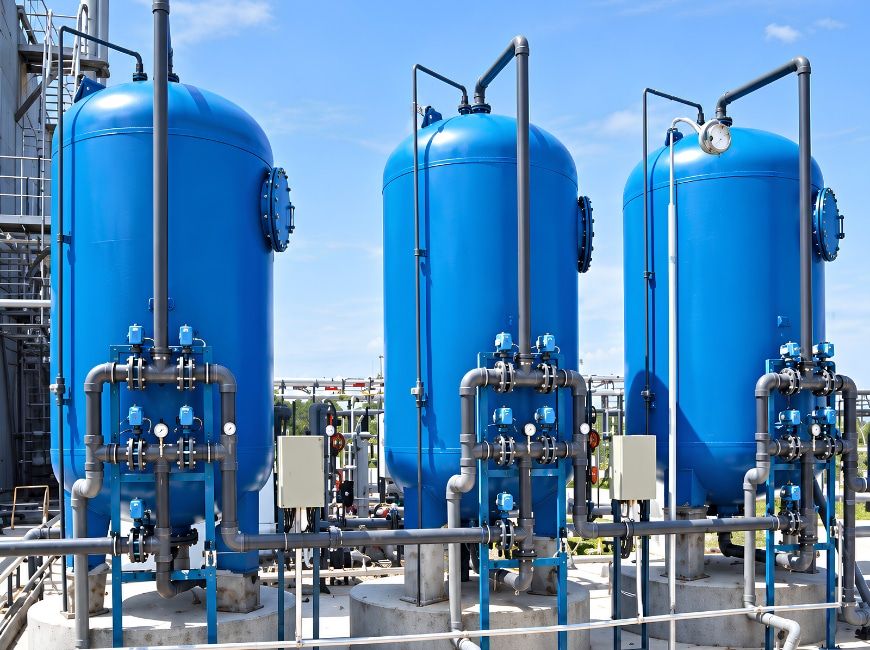
An industrial water treatment plant (WTP) cleans raw water, usually groundwater, so it is safe for factory use. It removes iron, hardness, turbidity and dissolved salts, so boilers, machines and production lines get water of the right quality.
It treats the water coming in. Wastewater going out is handled by an ETP or STP, which we also supply.
- Five plant types: WTP, IRP, softener, RO and DM
- Designed from your raw water test and flow rate
- Installation, commissioning and after-sales support
Why Do Factories in Bangladesh Need Water Treatment?
Most factories pump their own groundwater. That water is not unlimited, and it is rarely clean enough to use untreated.
- Iron and manganese are common. The British Geological Survey found elevated levels in tubewell water across Bangladesh. Iron stains products, clogs pipes and fouls RO membranes.
- Hard water forms scale. Calcium and magnesium build up in boilers, heat exchangers and cooling systems, wasting fuel.
- Deeper wells cost more. As shallow wells run dry, factories drill deeper and pay more for pumping.
- Process quality depends on water quality. A dyehouse, a pharma line and a boiler each need a different specification.
Which Industrial Water Treatment Plants Are Available?
We supply five plant types. Most factories combine two or three.
| Plant | What It Does | Output Water | Best For |
|---|---|---|---|
| WTP (Water Treatment Plant) | Settles and filters suspended solids, turbidity and colour | Clear, filtered water | Process and utility water, pre-treatment for RO and DM |
| IRP (Iron Removal Plant) | Oxidises dissolved iron and manganese, then filters them out | Iron-free, clear water | Factories on iron-rich groundwater |
| Softener Plant | Ion-exchange resin swaps calcium and magnesium for sodium | Soft water | Boilers, dyehouses, laundry, cooling make-up |
| RO Plant (Reverse Osmosis) | Membranes remove most dissolved salts and fine contaminants | Low-TDS water | Food and beverage, pharma, high-TDS water |
| DM Plant (Demineralisation) | Cation and anion ion exchange remove nearly all dissolved minerals | Very low conductivity water | High-pressure boilers, pharma, chemical processes |
How Do I Choose Between RO, DM, Softener and Iron Removal?
Start from your water problem and the quality your process needs.
| Your Problem | Likely Solution |
|---|---|
| Yellow or brown water, red stains, metallic taste | IRP (iron removal) |
| White scale in boilers, heaters and pipes | Softener plant |
| High TDS, salty taste, or low-TDS ingredient water needed | RO plant |
| Boiler or process needs near-zero minerals | DM plant, often after RO or a softener |
| Cloudy or muddy water | WTP with clarification and filtration |
| Several problems together (most common) | Combined line, for example IRP, filter, softener, RO |
Quick rule: a softener removes hardness, RO removes most dissolved salts, and DM removes almost all minerals. A water test tells us which your factory needs.
How Does an Industrial Water Treatment Plant Work?
- Intake and StorageWater from your deep tubewell or other source is held in a raw water tank.
- Aeration and OxidationAir or a dosed oxidant turns dissolved iron into particles that can be filtered.
- Clarification and FiltrationSand, gravel and activated carbon remove turbidity, colour and odour.
- Softening, RO or DMIon exchange or membranes remove hardness and dissolved salts to your target quality.
- Storage, Dosing, MonitoringDosing pumps, flow meters and online analysers keep quality steady and visible.
Plant size depends on flow rate (m³/hour), raw water quality and the quality your process needs.
Which Industries Use Industrial Water Treatment Plants?
Textile and Dyeing
Soft, iron-free water for dyeing and washing. Studies report about 164 litres of groundwater per kg of cotton fabric.
Pharmaceutical
Purified process water, usually RO-based, plus clean utility water.
Food and Beverage
Safe ingredient, rinse and cleaning water, low-TDS where taste matters.
Dairy
Clean water for cleaning-in-place, cooling and boiler feed.
Paper Mills
Large volumes of process water with controlled hardness and iron.
Rice Mills
Boiler and parboiling water that avoids scale.
Sugar Mills
Boiler feed and process water with scale control.
Automobile
Wash, cooling and pre-treatment water; DM water for sensitive finishing steps.
Why Choose Techno Bangla Creation?
- Water in, wastewater out. We deliver WTP, ETP, STP and MBR plants, so your whole water cycle is planned together.
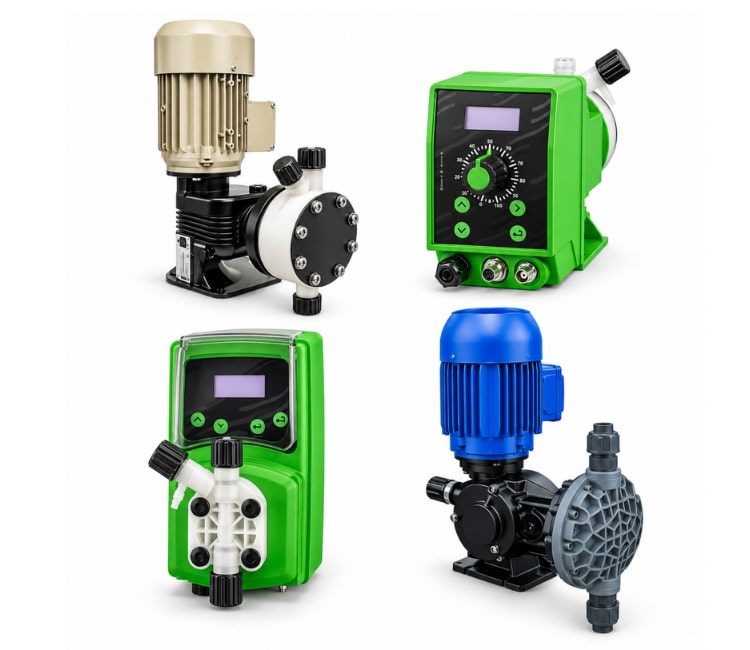
- Core equipment under one roof. Blowers, diffusers, EMEC and SEKO dosing pumps, flow meters, online analysers and filter presses.
- Engineering-led design. We size the plant from your water test, flow rate and process need.
- ISO certified. Quality-managed design, supply and installation.
- Installation and after-sales. Commissioning, operator guidance and service after handover.
- Dhaka based, nationwide service. Office in New DOHS Mohakhali, serving factories across Bangladesh.
| Question to Ask a Supplier | Techno Bangla Creation |
|---|---|
| Do they design from your own water test report? | Yes |
| Can they supply WTP, ETP and STP together? | Yes |
| Do they supply core equipment: pumps, blowers, meters, analysers? | Yes |
| Do they handle installation and commissioning? | Yes |
| Is there after-sales service? | Yes |
What Is the Process From Enquiry to Running Plant?
- Free ConsultationTell us your industry, flow requirement and water problem.
- Water Test and DesignWe review your raw water report and propose the treatment line, capacity and layout.
- Supply and InstallationOur engineers supply, install, test and hand over the plant.
- After-Sales SupportTraining, spare parts and service when you need them.
What Do We Need to Give You an Accurate Quotation?
- Water source. Deep tubewell, surface water or other.
- Required flow. In m³/hour or litres/day.
- Raw water test report. Iron, hardness, TDS, pH and turbidity.
- Target quality or end use. For example boiler feed or process water.
- Site details. Available space, power supply and target start date.
Frequently Asked Questions
How do I size an industrial water treatment plant for my factory?
Start with peak demand in m³/hour, not the daily total. Add up boiler make-up, cooling, process and cleaning use, and note your running hours. A storage tank then covers the peaks so the plant can run steadily. Leave headroom for growth and for treatment losses such as backwash and RO reject. Send these numbers to our engineers for sizing.
What is the difference between RO and DM plants?
RO uses membranes to remove most dissolved salts. DM uses ion-exchange resins to remove almost all dissolved minerals. DM gives purer water, and the two are often combined for high-pressure boilers.
Do I need a softener or an RO plant?
A softener removes only hardness, which is enough for many boilers and dyehouses. Choose RO when total dissolved solids are high or your product needs low-TDS water.
How do I remove iron from factory groundwater?
Use an iron removal plant. It oxidises dissolved iron by aeration or dosing, then filters it out. Remove iron before RO or softening so it does not foul membranes or resin.
Which plant is best for boilers?
Boilers need low-hardness feed water. A softener is the minimum. Higher-pressure boilers usually need RO and/or DM. The right choice depends on boiler pressure and your raw water test.
How much does an industrial water treatment plant cost in Bangladesh?
Cost depends on capacity, raw water quality, treatment stages, automation and civil work. Share your flow and water test report and we will send a clear quotation.
How long does installation take?
It depends on plant size, equipment lead time and site readiness. We give a schedule with the quotation.
Can you treat water and wastewater together?
Yes. We supply WTP, ETP, STP and MBR plants, so intake and discharge water can be planned as one system.
Which industries do you serve?
Textile and dyeing, pharmaceutical, food and beverage, dairy, paper, rice, sugar and automobile industries, plus other factories across Bangladesh.
Do you provide after-sales service?
Yes. We provide installation support, operator guidance and service after handover.