ETP Plant in Bangladesh
Techno Bangla Creation Ltd. designs and installs effluent treatment plants that purify industrial wastewater for reuse and release safe water to the environment.

What Is an Effluent Treatment Plant?
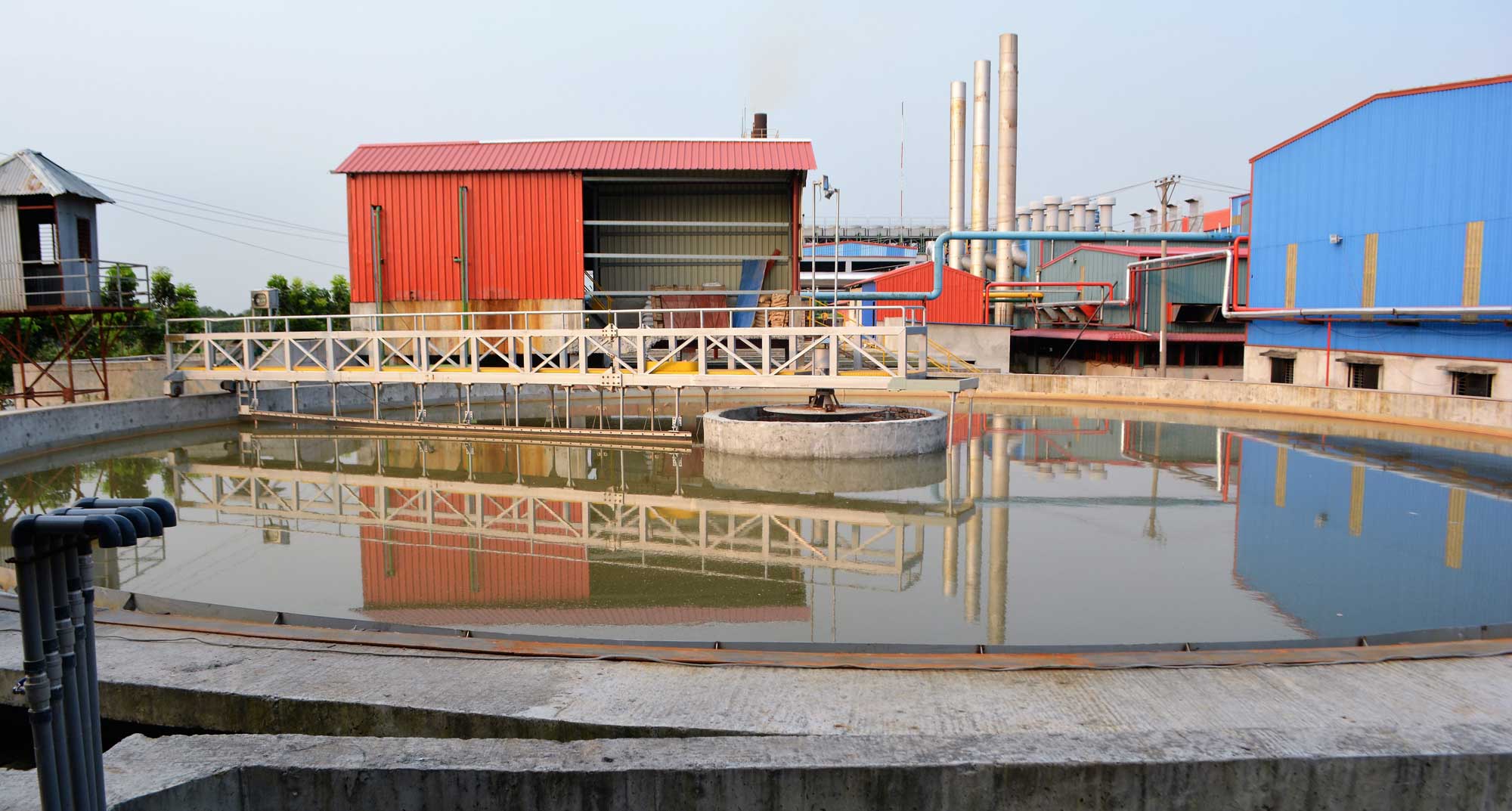
An Effluent Treatment Plant (ETP) is a multi-stage wastewater treatment system that purifies industrial wastewater so it can be reused or safely released to the environment, protecting it from the harmful effects of factory effluent.
Industrial effluents differ by industry: some carry oils and grease, some contain toxic materials such as cyanide, and food and beverage factories produce degradable organic pollutants. Because of this diversity, a specific treatment technology, the ETP, is required.
- Cleans industrial effluent for reuse
- Helps meet government pollutant standards
- Customized design for every industry
- Installation and after-sales support
Types of Treatment Plants We Offer
Biological Treatment Plant
An exclusively designed plant for municipal or industrial wastewater with soluble organic impurities. Compared with chemical or thermal oxidation, it offers a clear economic advantage in both capital investment and operating cost.
Bio-Chemical Treatment Plant
Combines biological treatment with chemical processes such as coagulation, flocculation, ion exchange, neutralization and adsorption. Well suited to effluent like excess dye liquor from textile dyeing.
Chemical Treatment Plant
Uses chemical unit processes, including neutralization and stabilization, alongside biological and physical cleaning to speed up disinfection and treatment of wastewater.
ETP Process Flow
A typical ETP treats effluent in stages. The exact stages depend on your wastewater.
- Collection TankRaw effluent from the factory is collected in one place.
- Storage TankEvens out flow and load before treatment begins.
- Mixing & CoolingEffluent is mixed and brought to a suitable temperature.
- NeutralizationThe pH is adjusted to the range needed for treatment.
- Chemical CoagulationChemicals bind fine particles into larger flocs.
- Biological OxidationBacteria break down organic pollutants with the help of air.
- SedimentationSolids settle and sludge is separated from clear water.
- Sludge ThickenerSludge is thickened to reduce its volume.
- FiltrationRemaining fine particles are filtered out.
- Discharge to DrainTreated water is discharged safely or reused.
Benefits of an ETP
- Clean industry effluent and recycle it for further use
- Reduce the usage of fresh water in industries
- Preserve the natural environment against pollution
- Meet government pollutant standards and avoid heavy penalties
- Reduce expenditure on water acquisition
Who Uses an ETP
ETPs are used across small and large industries that produce physical, chemical or biological wastewater.
- Pharmaceutical Industry
- Chemical Industry
- Textile & Dyeing Mills
- Food & Beverages
- Dairy Industry
- Paper Mills
- Rice Industry
- Sugar Industry
- Automobile Industry
- Hospitals
- Agriculture Industry
What We Need to Design Your ETP
Every factory has a different wastewater composition, so every ETP is customized. Share the details below and our engineers will prepare a suitable design.
- Industry and process. What your factory produces and where the wastewater comes from.
- Daily flow (m³/day). The volume of effluent to be treated.
- Pollutant load. Typical BOD, COD, suspended solids, pH and oil content.
- Target. Safe discharge as per government standards, or reuse.
- Site. Available land or space for the plant.

How an ETP Works
An ETP is designed as a multiple-stage treatment process, depending on the chemical and physical characteristics of the industrial wastewater.
Every company or industry has a different wastewater composition, so every factory needs a customized ETP project rather than a standard design.
Why Industries Need an ETP
Industrial wastewater contains a diversity of impurities, from oils and grease to toxic materials, so it cannot simply be released untreated. An ETP removes these pollutants before the water leaves your factory.
It also helps you meet the pollutant standards set by the government and avoid heavy penalties.
Frequently Asked Questions
How much does an ETP Plant cost in Bangladesh?
The cost of an ETP Plant in Bangladesh depends on treatment capacity, wastewater characteristics, treatment technology, equipment specifications, civil work and site conditions. Share your daily wastewater flow and basic water quality parameters with Techno Bangla Creation Ltd. for a customized quotation.
What capacity ETP Plant do I need for my factory?
ETP capacity is selected mainly according to the volume of wastewater your factory generates per day and its operating hours. Wastewater characteristics and future production requirements should also be considered before finalizing the plant capacity.
Which type of ETP Plant is suitable for my industry?
The right ETP depends on the composition of your industrial wastewater. Techno Bangla Creation Ltd. provides biological, bio-chemical and chemical treatment solutions, with the treatment process selected according to pollutants, wastewater characteristics and the required treatment target.
What information is required to design an ETP Plant?
For ETP design, we normally need your industry and production process, daily wastewater flow, BOD, COD, pH, suspended solids, oil content, treatment target and available site space. These details help engineers prepare a suitable customized treatment system.
Do you provide customized ETP Plants in Bangladesh?
Yes. Industrial wastewater varies from one factory to another, so Techno Bangla Creation Ltd. designs customized ETP systems based on wastewater characteristics, required capacity, treatment objectives and available installation space.
Do you provide ETP Plant installation and commissioning?
Yes. Techno Bangla Creation Ltd. provides ETP design, equipment supply, installation and technical support for industrial wastewater treatment projects in Bangladesh. Contact our engineering team with your project requirements for a quotation.
How long does it take to install an ETP Plant?
The project timeline depends on plant capacity, treatment process, equipment requirements, civil construction and site readiness. Bangladesh suppliers commonly describe ETP projects as taking several weeks to several months from design through commissioning, so the exact schedule should be confirmed after project assessment.
Can an ETP Plant help meet Bangladesh wastewater discharge requirements?
An ETP is designed to treat industrial wastewater toward the applicable discharge requirements for the specific industry and discharge route. Bangladesh's Environment Conservation Rules 2023 include standards for water quality and liquid-waste discharge and provisions covering industrial wastewater treatment plants.
Can treated ETP water be reused in the factory?
Depending on the wastewater characteristics, treatment process and required water quality, treated effluent may be suitable for reuse instead of direct discharge. The required treatment stages should therefore be selected according to the intended reuse application and target water quality. Your existing page already positions both safe discharge and reuse as treatment targets.
How can I get an ETP Plant quotation in Bangladesh?
Send Techno Bangla Creation Ltd. your industry type, wastewater source, daily flow or required capacity, available test results such as BOD, COD, pH and suspended solids, treatment target and site information. Our engineers can then assess the requirement and prepare a suitable ETP quotation.