Techange COD Analyzer Supplier in Bangladesh
Techange COD analyzer for ETP, STP and industrial effluent labs: photometric COD up to 20000 mg/L plus ammonia nitrogen, total phosphorus, total nitrogen and more, supplied with setup help and after-sales support by Techno Bangla Creation.
What Is a COD Analyzer?
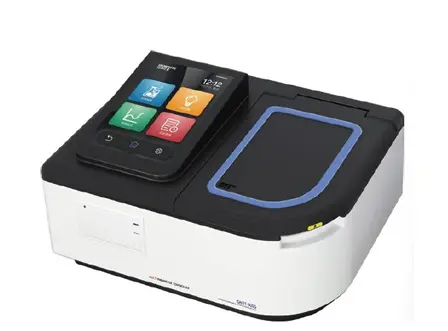
A COD analyzer measures chemical oxygen demand, the amount of oxygen needed to chemically oxidise the organic and other oxidisable matter in water. The Techange analyzer is a photometric instrument with a touchscreen, a built-in thermal printer and five wavelengths. It reads the colour of a prepared sample and shows the result in mg/L.
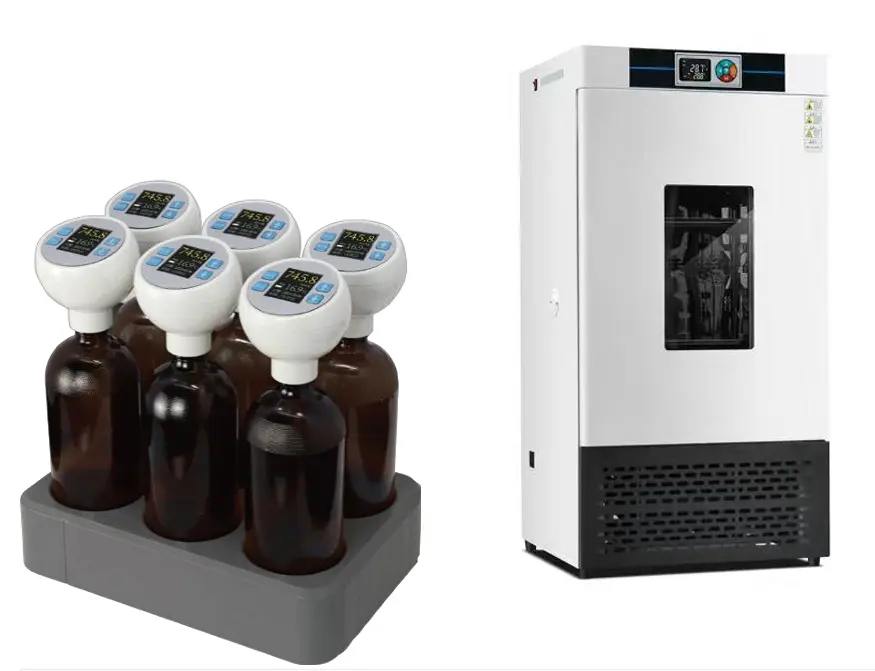
COD is not BOD. COD counts everything that can be oxidised chemically, while BOD counts only what bacteria can consume. For the biological test, see our Techange BOD incubator. For continuous readings in a tank or channel, see the EMEC online analyzer.
- Tests COD, ammonia nitrogen, total phosphorus and total nitrogen
- Five wavelengths: 420, 500, 570, 620 and 700 nm
- Built-in thermal printer for test data printout
- Setup help and after-sales support in Bangladesh
Techange COD Analyzer Specifications
- Type
- Multi-parameter photometric water quality analyzer
- Main Tests
- COD, ammonia nitrogen, total phosphorus, total nitrogen and other water pollutants
- Test Items
- 37 listed items. Some items support customization
- COD Range
- 0 ~ 20000 mg/L
- Wavelength
- 420, 500, 570, 620 and 700 nm
- Light Source
- 200,000-hour LED cold light
- Display
- 3.8-inch 2K colour touchscreen
- Housing
- High-temperature-resistant ABS shell
- Printer
- Built-in mini thermal printer
- Signal Processing
- Smart system averages dozens of readings per second
- Application
- Wastewater treatment, rivers and lakes, aquaculture, research, petrochemical, textile dyeing and food processing
- Brand
- Techange
Digestion reactor, reagent vials, accuracy and data ports are not listed in the catalogue. Ask us which accessories come with your quotation.
Techange COD Analyzer Test Items and Range
The catalogue lists these test items and detection ranges. Some items can be customized, so ask us about yours.
| Test Item | Range | Test Item | Range | Test Item | Range |
|---|---|---|---|---|---|
| COD | 0-20000 mg/L | Copper | 0-100 mg/L | Aniline | 0-50 mg/L |
| Ammonia nitrogen | 0-125 mg/L | Nickel | 0-50 mg/L | Free chlorine | 0-20 mg/L |
| Total phosphorus | 0-20 mg/L | Iron | 0-100 mg/L | Total residual chlorine | 0-20 mg/L |
| Total nitrogen | 0-100 mg/L | Manganese | 0.5-200 mg/L | Phosphate | 0-20 mg/L |
| Turbidity | 0-500 NTU | Zinc | 0-20 mg/L | Volatile phenols | 0-50 mg/L |
| Chromaticity | 0-500 degrees | Lead | 0.3-50 mg/L | Total hardness | 4-600 mg/L |
| pH | 0-14 | Aluminium | 0-5 mg/L | Total alkalinity | 4-2000 mg/L |
| TSS | 0-400 mg/L | Cobalt | 0-10 mg/L | Nitrate nitrogen | 0-100 mg/L |
| Sulfate | 5-500 mg/L | Silver | 0-10 mg/L | Nitrite nitrogen | 0-10 mg/L |
| Sulfides | 0-10 mg/L | Cadmium | 0-10 mg/L | Permanganate index | 0.5-5 mg/L |
| Cyanide | 0-10 mg/L | Ferrous | 0-100 mg/L | Anionic surfactants | 0-20 mg/L |
| Chloride | 0-100 mg/L | Total chromium | 0-20 mg/L | ||
| Fluoride | 0-20 mg/L | Hexavalent chromium | 0-20 mg/L |
Ranges come from the Techange catalogue. Confirm the range for your sample type before ordering.
How Does a Photometric COD Analyzer Work?
- Collect and PreserveTake a representative sample and preserve it as your method requires, often by acidifying and cooling it.
- Digest the SampleIn the usual dichromate method, sample and reagent are heated in a reactor, commonly at 150 °C for about 2 hours.
- Cool and MixLet the vial cool, mix it and wipe the outside before it goes into the analyzer.
- Photometer Reads ColourThe analyzer measures absorbance: Cr³⁺ near 600 nm for higher ranges and dichromate near 420 nm for low ranges.
- Result Is Shown and PrintedThe reading appears in mg/L on the touchscreen, and the thermal printer can print it.
Key Benefits of the Techange COD Analyzer
One bench instrument for the tests an ETP or STP lab runs every day.
- One analyzer for COD, ammonia nitrogen, total phosphorus, total nitrogen and many more tests
- A wide COD range, 0 to 20000 mg/L, covers strong raw effluent as well as treated water
- Five wavelengths, from 420 to 700 nm, serve the common colour tests
- LED cold light source rated at 200,000 hours for stable readings
- Large touchscreen and built-in printer cut note-taking errors
- Local support from Techno Bangla
COD Limits and Typical Effluent in Bangladesh
Know the number you must beat before you choose a test range.
- ECR 2023 COD Limit
- 200 mg/L for textile wastewater to inland surface water, as quoted in DoE lab reports
- ECR 2023 BOD5 Limit
- 30 mg/L, cut from 100 mg/L under the earlier rules
- pH Limit
- 6 to 9
- Untreated Textile Effluent
- Studies report COD of about 450 to 2,100 mg/L in Bangladeshi textile effluent
- Well-Run ETP Outlet
- Some studies report outlet COD as low as 36 to 58 mg/L
Limits differ by industry and discharge point. Check your category with the Department of Environment. COD alone does not prove compliance, because BOD, colour, TSS and other parameters count too.
Is a Lab COD Analyzer Right for You?
Choose This Analyzer When
- You test COD and other parameters in one lab instrument
- Your ETP or STP lab runs routine batch tests
- You want results shown on a touchscreen and printed
- You need ammonia nitrogen, phosphorus or total nitrogen for nutrient control
- Your samples range from low to very high COD
Look at Other Options When
- You need continuous readings in a tank or channel: see the EMEC online analyzer
- You need the 5-day biological oxygen demand: use the Techange BOD incubator
- You need legally binding results: confirm with the Department of Environment which labs and methods it accepts
Where Are COD Analyzers Used?
Any lab that must know how much organic pollution is in water.
- ETP Inlet and Outlet
- STP Effluent
- Textile Dyeing Wastewater
- River and Lake Monitoring
- Aquaculture
- Petrochemical
- Food Processing
- University Research Labs
- Industrial Effluent Testing
How to Choose a COD Analyzer
Share these details with our engineers and we will recommend a suitable setup.
- Parameters. List every test you need. The catalogue shows 37 items, and some can be customized.
- COD range. Give the expected COD of inlet and outlet samples so we can confirm the range.
- Digestion set-up. Ask what reactor and reagent vials come with the analyzer. Digestion at 150 °C for about 2 hours is typical.
- Chloride. Chloride reads as COD in the dichromate method. Mercury sulfate masks it, so tell us if your water is saline.
- Safety and waste. Dichromate, mercury and silver reagents are hazardous. Plan safe storage and disposal.
Frequently Asked Questions
What is a COD analyzer?
A COD analyzer measures chemical oxygen demand, the oxygen needed to chemically oxidise organic matter in water. Most lab analyzers are photometers that read the colour of a digested sample. The result in mg/L shows how polluted effluent is and whether an ETP is working. The Techange model also tests nitrogen and phosphorus.
How does a COD analyzer work?
In the common dichromate method, the sample is heated with acid and potassium dichromate. Organic matter reduces the dichromate and changes the colour. The photometer reads absorbance at about 600 nm or 420 nm and converts it to mg/L. A digestion reactor, usually 150 °C for 2 hours, is used first.
What is the COD limit for ETP discharge in Bangladesh?
DoE lab reports quote an ECR 2023 limit of 200 mg/L COD for textile wastewater going to inland surface water, with BOD5 at 30 mg/L and pH 6 to 9. Limits differ by industry and discharge point, so check your category with the Department of Environment before setting targets.
What does a high COD mean for an ETP?
A high COD shows a large load of oxidisable matter such as dyes, chemicals and organics. Raw textile effluent in Bangladeshi studies reached about 450 to 2,100 mg/L. If treated water stays above the limit, check chemical dosing, aeration and sludge, then compare COD with BOD to judge how biodegradable it is.
Which wavelengths does the Techange COD analyzer use?
The catalogue lists five wavelengths: 420, 500, 570, 620 and 700 nm. In the dichromate method, 600 to 620 nm reads the green chromium formed at higher COD, and 420 nm reads low-range samples. Send us your test list and we will confirm the method for each parameter.
Can this analyzer test more than COD?
Yes. The catalogue lists 37 test items, including ammonia nitrogen, total phosphorus, total nitrogen, turbidity, pH, TSS, metals such as copper, iron and zinc, chlorine, hardness and alkalinity. Some items support customization, so send us your parameter list and we will confirm each range.
Do I need a separate digester for COD testing?
Most photometric COD methods digest the sample first in a heating reactor, commonly at 150 °C for 2 hours, and some analyzers sell the digester separately. The Techange catalogue does not list one, so ask us what is included in your quotation before you order.
How can I get a quotation for the Techange COD analyzer?
Send your test parameters, expected COD range and number of samples per day to Techno Bangla Creation by phone or email. Our engineers confirm what is included, such as reagents and digestion equipment, and reply with a free quotation for your ETP, STP or WTP laboratory.