Double Impeller Centrifugal Pump Supplier in Bangladesh
KBJ and KB series double impeller centrifugal pumps for clean-water transfer and pressure boosting, supplied with sizing help, installation and after-sales support by Techno Bangla Creation.

What Is a Double Impeller Centrifugal Pump?
A double impeller centrifugal pump has two impellers inside one casing, working in series on one motor shaft. Water passes through both, and each adds pressure, so the pump reaches higher head than a single-impeller model of similar size. Techno Bangla supplies the KBJ and KB series for clean-water transfer and pressure boosting in Bangladesh.
It is not a sludge pump and not a submersible. It is built for clean water, and a brass impeller is not meant for sewage or abrasive solids. For liquids with solids, see our self-priming open impeller pump.
- Flow of 40 to 550 L/min and head of 20 to 90 m
- Three-phase motors from 1.5 to 15 HP
- Brass impeller and a rated suction lift of 7 m
- Sizing, installation and after-sales support in Bangladesh
KBJ and KB Pump Specifications
- Series
- KBJ, KB
- Type
- Double impeller centrifugal pump
- Capacity
- 40 ~ 550 L/min (about 2.4 ~ 33 m³/hr)
- Head
- 20 ~ 90 m (about 2 ~ 8.8 bar, or 196 ~ 883 kPa)
- Motor Power
- 1.5 ~ 15 HP (about 1.1 ~ 11.2 kW)
- Power Supply
- 3-phase, 50 Hz, 420 V as listed in our catalogue (confirm the motor nameplate voltage)
- Suction Lift
- 7 m (about 23 ft)
- Impeller
- Brass
- Suitable Liquid
- Clean water without abrasive particles
Each model covers part of this range. Exact flow, head, motor and seal depend on the model, so send us your duty point and our engineers will confirm the right size.
How a Double Impeller Pump Works
- Prime the PumpFill the casing and suction line with water so atmospheric pressure can push water in.
- First Impeller AcceleratesThe motor spins the first impeller, which throws water outward and builds pressure.
- Second Impeller Adds HeadWater passes into the second impeller, which adds more pressure in series.
- Casing Turns Speed Into PressureThe casing slows the water and converts its speed into discharge pressure.
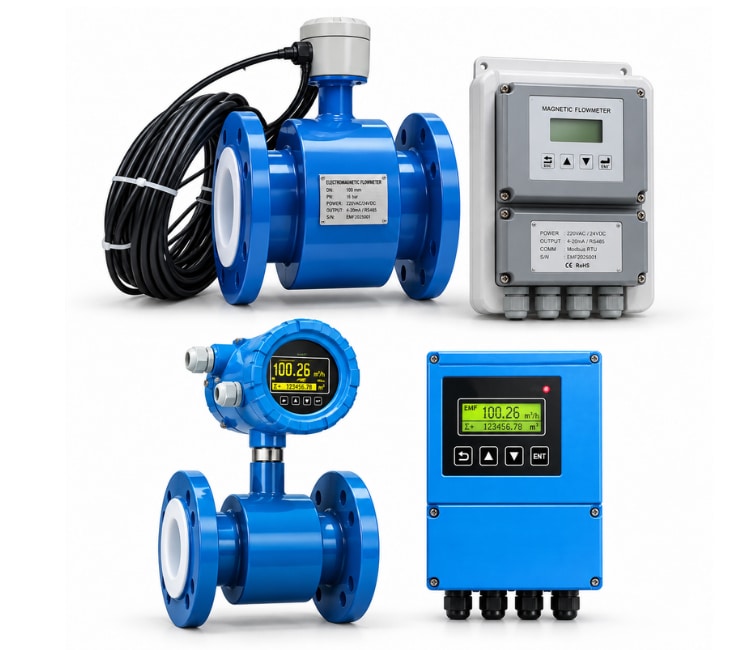
- Water Reaches Your LinePressurised water flows to the tank, booster line or process. A flow meter can track the output.
Key Benefits
One compact pump can replace a larger single-impeller unit when the job needs pressure.
- Higher head from one pump, up to 90 m on this series
- Medium flow up to 550 L/min covers many factory utility lines
- Rated 7 m suction lift for tanks and sumps below the pump
- Brass impellers are commonly chosen for clean-water duty because they resist rust
- Three-phase motors from 1.5 to 15 HP suit factory supply
- Local sizing, installation and after-sales support from Techno Bangla
Is a Double Impeller Pump Right for You?
Choose This Pump When
- You need 20 to 90 m of head at medium flow
- The liquid is clean water without sand or solids
- The water level is within about 7 m below the pump
- A three-phase supply is available at your site
- You want one compact pump instead of two in series
Choose Another Pump When
- The liquid holds sludge or solids. Use a self-priming open impeller pump
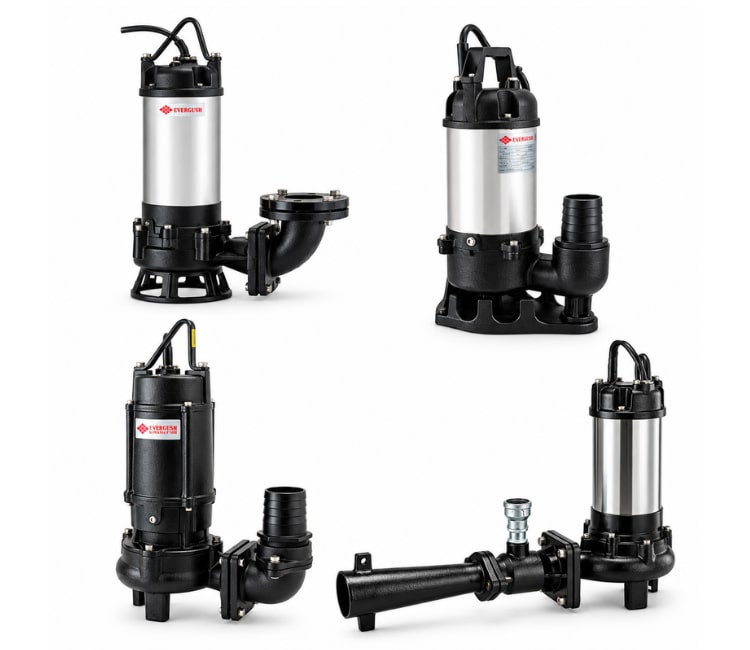
- The water sits deep or in a sump. See our submersible pump
- The liquid is acidic or chemical. Ask us for a suitable material
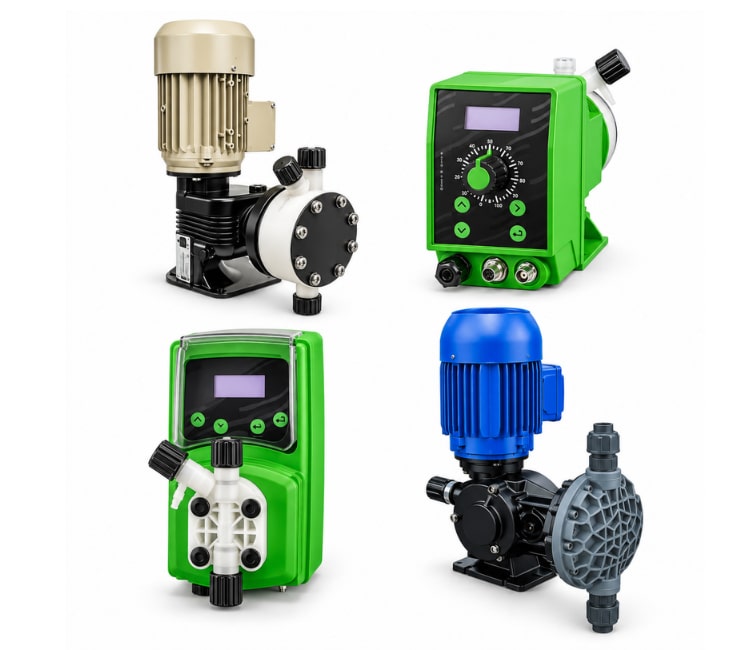
- You need metered chemical feed. Use a dosing pump
- You need very high flow at low head
Where Double Impeller Pumps Are Used
Clean-water duty that needs more pressure than a single-impeller pump gives.
- Factory Utility Water
- Pressure Boosting
- Tank Filling and Transfer
- Filter Feed in WTP
- Cooling Water Circulation
- Boiler Feed Transfer
- Washing and Spray Lines
- Irrigation and Horticulture
How to Choose the Right Double Impeller Pump
Share these details with our engineers and we will recommend a model and motor size.
- Flow and total head. Add static lift, delivery height and pipe friction to get total head. Pick a pump whose best efficiency point sits near your duty point. A common guide is to run between 70 and 120% of best-efficiency flow.
- Suction layout. Water can rise at most about 10.3 m at sea level, and practical lift is nearer 8 m. Keep the suction pipe short, airtight and not smaller than the pump inlet.
- Liquid quality. Brass-impeller pumps are meant for water free of abrasives. Add a strainer if your tube-well water carries sand.
- Power supply. Bangladesh low-voltage three-phase supply is commonly given as 400 V, 50 Hz. Match the motor nameplate to your supply and add overload and phase protection.
- Motor size and running hours. Hydraulic power in kW is about flow (m³/hr) × head (m) ÷ 367. For 12 m³/hr at 60 m that is about 2 kW. At an assumed 50% pump efficiency the shaft needs near 4 kW, so a 5 to 7.5 HP class motor. Use the datasheet curve to confirm.
Frequently Asked Questions
What is a double impeller centrifugal pump?
A double impeller centrifugal pump has two impellers in series inside one casing, driven by one motor shaft. Water passes through both, and each adds pressure, so the pump delivers higher head than a single-impeller pump of similar size. It suits clean-water transfer, pressure boosting and factory utility lines.
What is the difference between a single and a double impeller pump?
A single-impeller pump has one impeller, so its head is limited by that impeller's size and speed. A double impeller pump stacks two in series, which raises head at the same motor speed, usually at medium flow. Single-impeller models often suit higher flow at lower head. Choose by your flow, total head and suction layout.
What flow, head and motor range does the KBJ and KB series cover?
The KBJ and KB series covers 40 to 550 L/min (about 2.4 to 33 m³/hr), 20 to 90 m of head (about 2 to 8.8 bar) and 1.5 to 15 HP (about 1.1 to 11.2 kW). Each model covers only part of this range, so send your flow and head and our engineers will confirm the right size.
How high can the pump lift water from below the pump?
The series is rated for a suction lift of 7 m. The theoretical limit for water at sea level is about 10.3 m, and practical lift is usually near 8 m or less because of pipe friction and entry losses. Prime the pump, keep the suction line short and airtight, and confirm lift on the datasheet.
Can this pump handle sewage, sludge or chemicals?
No. A brass-impeller double impeller pump is meant for clean water without abrasive particles or aggressive chemicals. For sludge, effluent or liquids with solids, use our self-priming open impeller centrifugal pump. For measured chemical feed, use a dosing pump. Tell us your liquid and we will suggest the right pump.
Is a brass impeller suitable for Bangladesh water?
Brass impellers resist rust and are commonly chosen for clean-water duty such as cooling and boosting. They are not suited to sand, abrasive solids or strong acids. If your tube-well water carries sand, fit a strainer or filter, and ask us for options if the water is aggressive.
What power supply does the pump need?
Our catalogue lists a three-phase, 50 Hz supply at 420 V. Bangladesh low-voltage three-phase supply is commonly given as 400 V, 50 Hz, so check the motor nameplate against your site supply before ordering. Fit an overload relay and phase protection to protect the motor.
How can I get a quotation for a KBJ or KB pump?
Send your required flow (L/min or m³/hr), total head, suction lift, liquid type and power supply by phone or email. Our engineers reply with a free quotation and recommend a KBJ or KB model. We also supply installation and after-sales support in Bangladesh.